The same show is two businesses on two streets
A title crossing the Atlantic keeps its songs and changes its economics: capitalisation, weekly costs and the definition of a hit are different on each side of the water.

The money raised before the curtain rises
A musical does not arrive fully formed. It arrives as a capitalisation — a sum raised from investors before a single preview is played, structured to cover everything from set construction to the initial marketing spend, with a cash reserve held against early weeks of below-capacity trading. In London, that figure has historically been lower than its Broadway equivalent, in part because West End houses are generally smaller than their New York counterparts, and in part because union agreements, rehearsal periods and the physical scale of productions are costed differently on each side. A mid-sized West End musical might capitalise in the low millions of pounds; the same show remounted on Broadway regularly requires a multiple of that sum before it qualifies to open, because Broadway capitalisation must also absorb higher union minimums, a more expensive marketing environment and the cost of rebuilding a set to a different stage.
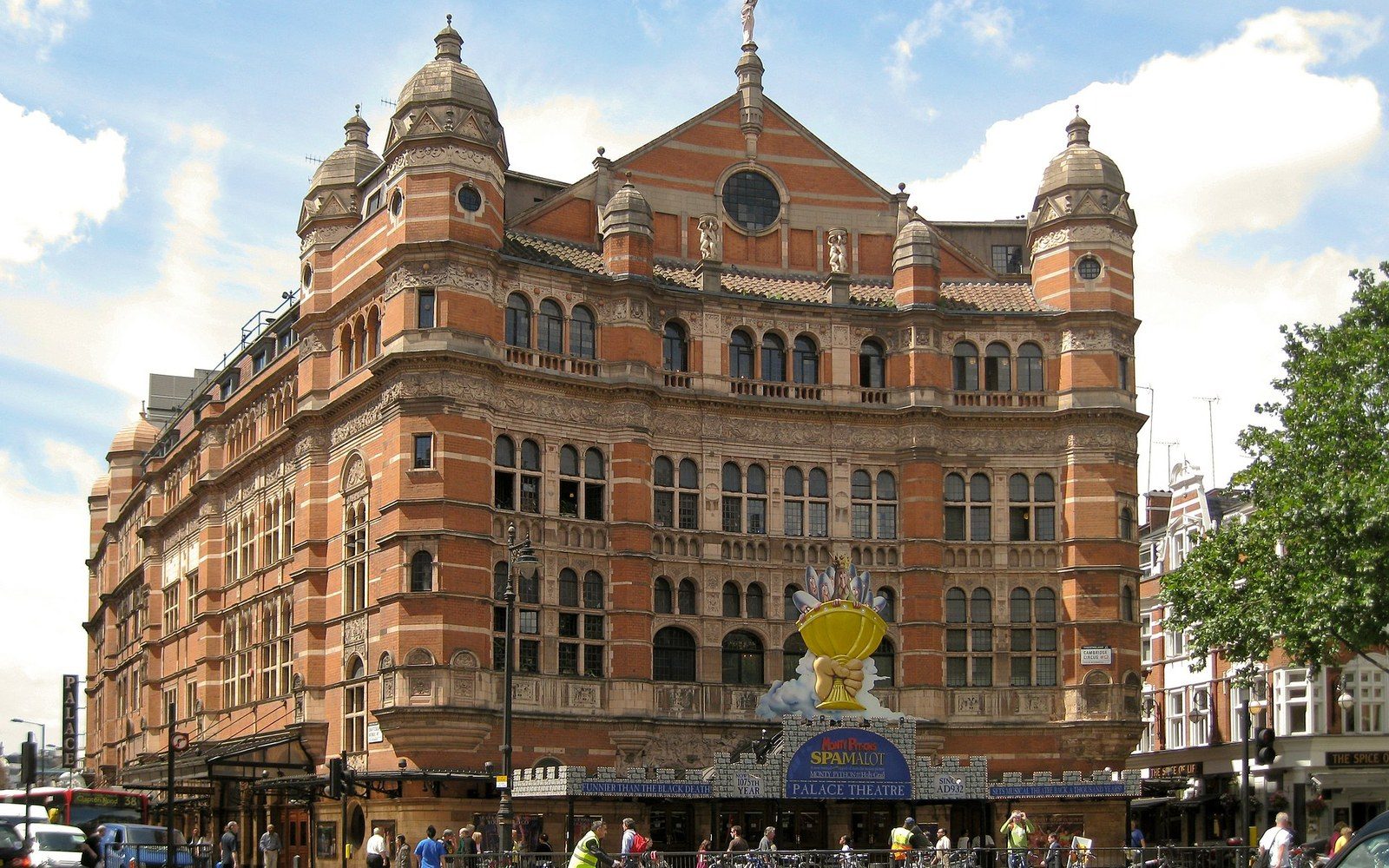
The rebuilding point is not trivial. A transfer is not a tour: when a West End production moves to Broadway, almost nothing physical travels with it. The set is remade to fit a house whose proscenium dimensions, wing depths and fly-tower heights differ from the London building. The orchestra is recontracted under American Federation of Musicians rules that may specify a different minimum pit size than the Musicians’ Union agreement in force at the original venue. Costumes may be reproduced rather than shipped. The capitalisation on Broadway is, in a strict sense, a new show carrying a familiar name.
Cameron Mackintosh, who has produced in both cities across several decades, has been among the clearest practitioners of this model: his productions of Les Misérables, The Phantom of the Opera and Miss Saigon were each capitalised and incorporated separately for their West End and Broadway runs, with distinct investors and distinct profit-and-loss accounts. The London success of a show did not guarantee Broadway profitability, and vice versa.
Weekly costs and the definition of a run
Once a show is open, the unit of measurement that matters is the weekly gross — the total box-office revenue taken in a given seven-day period. The Broadway League publishes weekly grosses for every Broadway show, which makes New York an unusually transparent market; the Society of London Theatre publishes aggregated figures for the West End, though the granularity and cadence differ. A show’s weekly running costs — what the industry calls the weekly nut — include the cast payroll, crew wages, venue rent or operating fees, orchestral musicians, marketing, royalties and a share of production costs being recouped. That nut is higher on Broadway than in the West End, both in absolute terms and as a percentage of typical box-office capacity, which means a Broadway show must sustain a higher gross simply to break even each week.
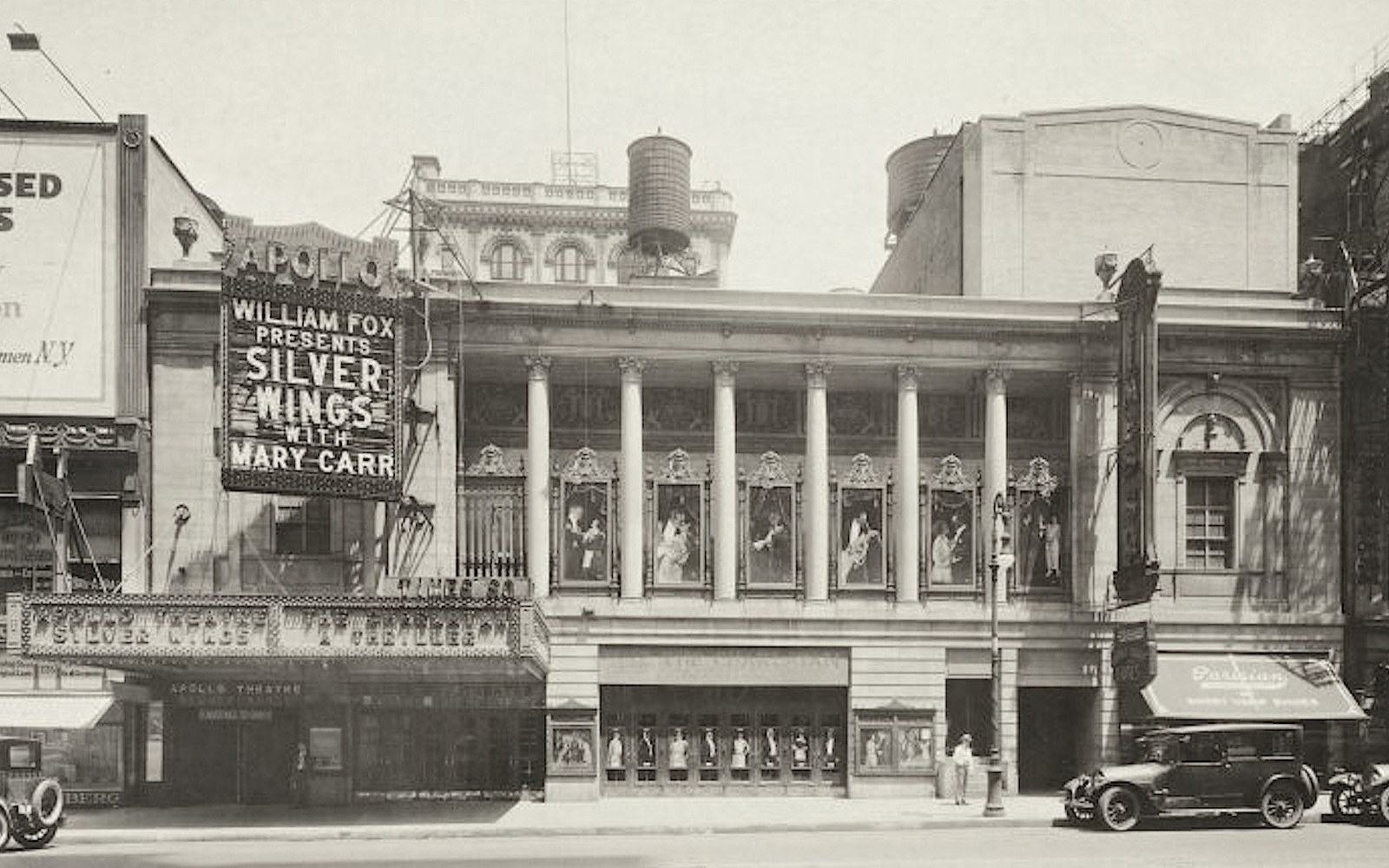
The consequence is that a show which would survive comfortably at seventy per cent capacity in a Shaftesbury Avenue house might struggle to cover its weekly costs at the same percentage in a mid-sized Broadway house. The arithmetic of running in the West End is gentler than running on Broadway, though the audience pool is also smaller: London draws heavily from tourism, and the visiting audience that fills seats on a Tuesday in November is structurally different from a resident theatergoing population. A show that proves its West End durability over years is not automatically proven for Broadway, because the demand curves are built from different catchment areas and different spending habits.
Recoupment — the point at which cumulative box-office revenue repays the original capitalisation to investors — arrives at different moments in each city, even for the same title. A show that recoups in twelve months in London might take considerably longer in New York, because the initial outlay was larger and the weekly threshold for profitability is higher. The reverse can also be true: a show capitalised efficiently for Broadway, playing a large house at strong percentages, can recoup faster than a London production that opened into a slower market.

Awards, certification and what they measure
Awards function differently in each city, and not only because the organisations are different. The Tony Awards, administered by the Broadway League and the American Theatre Wing, operate on a fixed eligibility list: a show must open in one of a specific group of houses to be considered, and the designation “Broadway” is itself contractual. The Olivier Awards, presented by the Society of London Theatre, cover a broader and less rigidly defined competitive landscape, and the relationship between an award and subsequent box-office performance — however large the effect may be — operates through a different publicity infrastructure than its New York equivalent.
The show is the same. The two commercial enterprises carrying it are not.
Both awards function, from an investor’s perspective, as certification: proof of quality communicated to an audience that cannot judge in advance. But the commercial impact of a Tony on a Broadway run and an Olivier on a West End run is not identical in scale, partly because of market size and partly because the awards ceremonies themselves occupy different positions in their respective media landscapes. A Tony win landing during a sweeps period with national broadcast coverage reaches a different total audience than an Olivier win reported domestically in the UK. For a producer holding interests in both productions simultaneously, the awards calendars and their downstream ticket effects must be tracked separately.
What stays constant across both cities is the underlying show: the book, the score, the orchestrations, the choreographic vocabulary established in the original production. Jonathan Tunick’s orchestrations for a Sondheim piece remain his orchestrations whether the musicians play them in a Broadway pit or a West End pit, though the size of that pit may change with each house and each contract. The eleven o’clock number lands in the same place in the running order. The cast album made from the London company and the cast album made from the Broadway company are recordings of what is, legally and creatively, the same musical — and yet they represent the output of two different commercial enterprises, carrying different investors, different weekly accounts and different definitions of what it means to succeed.