Moving a show across an ocean rebuilds it
A transatlantic transfer carries the name and the score — almost everything else is negotiated from scratch.
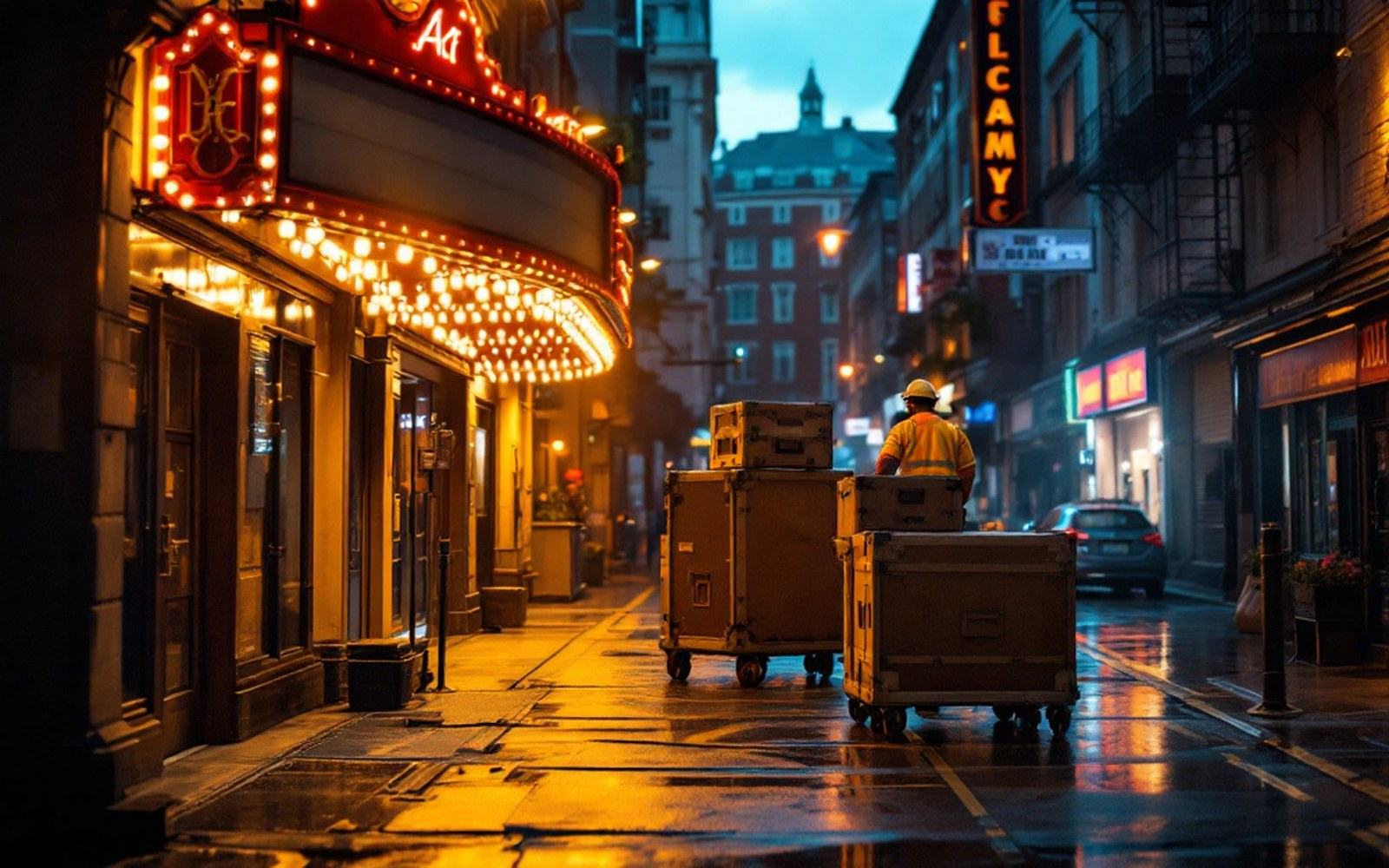
The set goes last, or not at all
When a show transfers between London and New York, the producing credit usually travels in full; the physical production rarely does. Shipping a West End set across the Atlantic is possible but expensive, and American union rules — specifically those governing scenic construction and load-in — often make it cheaper and faster to rebuild locally. What actually crosses is the design: the drawings, the model, the lighting plots, the costume specifications. A new workshop in Brooklyn or the Bronx builds from those drawings, and the result is not a copy so much as a licensed reproduction built to the dimensions of a different house.
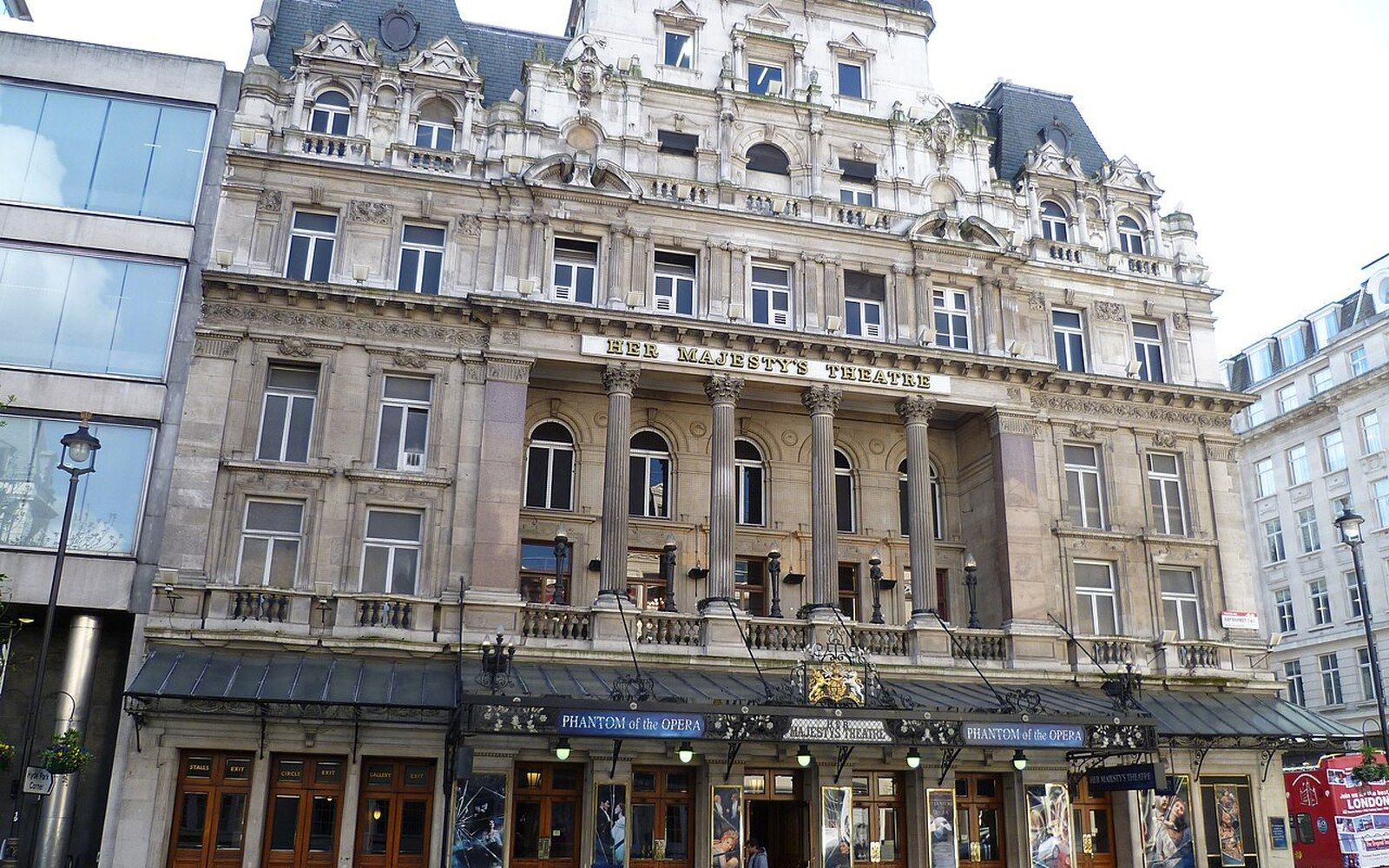
Those dimensions matter enormously. A show originated at the Palace Theatre on Broadway works to a proscenium width and stage depth that may be nothing like Her Majesty’s Theatre on Haymarket, where The Phantom of the Opera ran for decades. Raked stages, fly towers of different heights, orchestra pit sizes that vary by union contract — each variable forces a design decision. The set that looked cavernous in London may have to lose an entire wing to fit a New York stage, or gain flying rigs it never needed before.
The orchestra is recontracted entirely
The band is an entirely separate negotiation. The American Federation of Musicians holds jurisdiction over the pit on Broadway, and the minimum musician counts are set house by house under agreements with the Broadway League. The Society of London Theatre governs equivalent terms in the West End. A show that used twenty-six musicians in its original run may land in a house whose contract requires a different number — sometimes more, sometimes less — and the orchestrations are adjusted accordingly. Jonathan Tunick, who has orchestrated much of Stephen Sondheim’s catalogue, has spoken publicly about the degree to which orchestration is tailored not just to a show’s dramatic needs but to the specific acoustic and size of the room it will occupy.
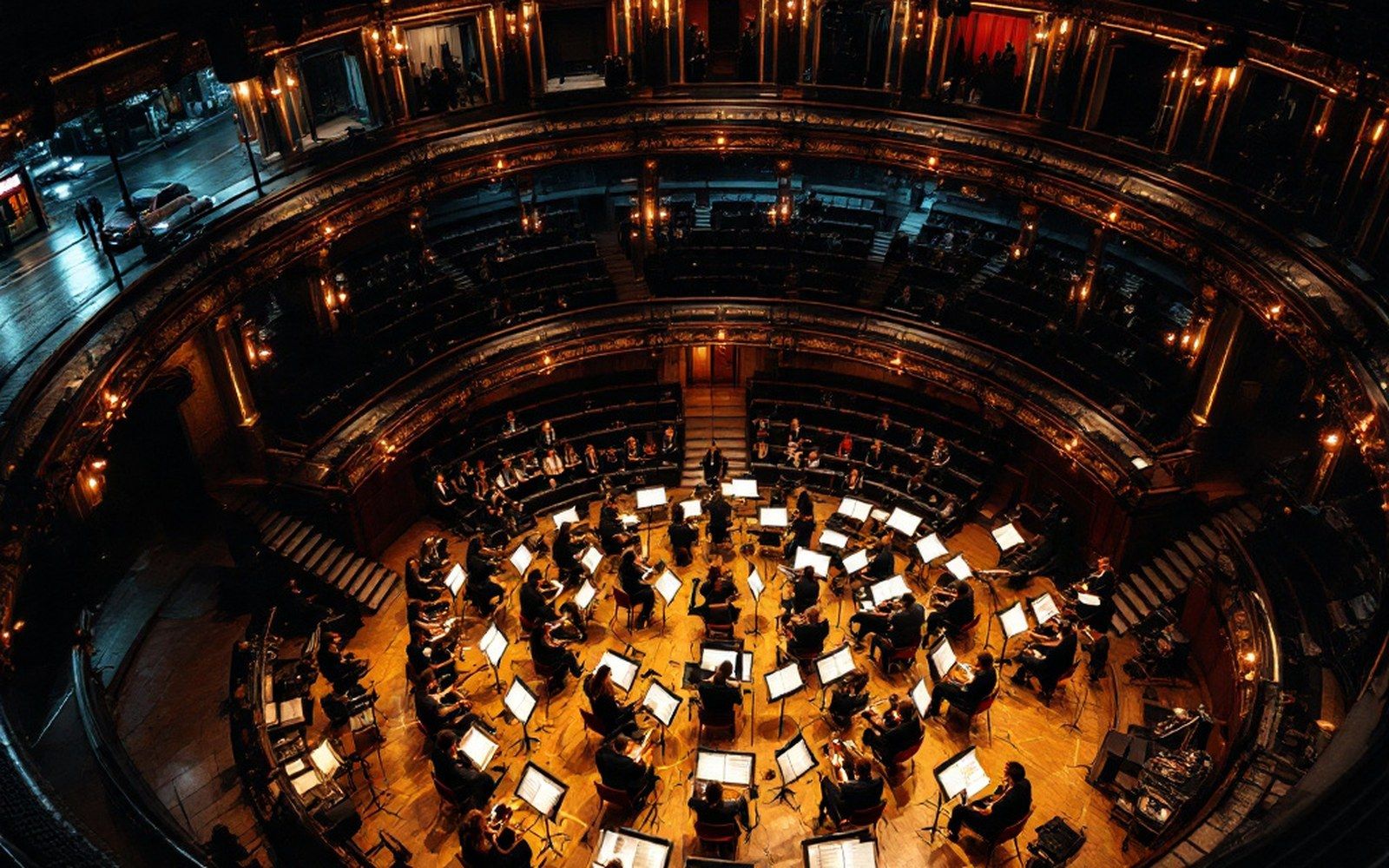
What this means in practice: the pit that plays the transfer is a new ensemble, hired locally, working from parts that may have been revised since opening night. The sound design is remixed for the room. What the audience hears is the same score, arranged for a different instrument — the building itself.
The cast is almost always local
Actors travel on visas, and both Equity branches — Actors’ Equity in the United States and Equity in the United Kingdom — maintain reciprocity agreements that limit how many foreign performers a producer can bring in before the union requires local casting. Cameron Mackintosh navigated this publicly when transferring Les Misérables and Miss Saigon, both of which required negotiated carve-outs for specific performers. The general principle holds regardless: a West End production that transfers to Broadway will hold most of its principal and ensemble roles open for American auditions. The reverse is equally true.
The audience is seeing an interpretation of a production rather than the production itself.
This is why a transferred show can feel like a different production while being the same show. A different Elphaba, a different ensemble trained by a different resident director, performing in a house whose acoustics behave differently — the audience is seeing an interpretation of a production rather than the production itself. The direction is reconstructed from the prompt book, the choreography taught by an associate of the original choreographer. In the hands of a Jerome Robbins or a Michael Bennett, those associates worked from meticulous documentation; in other cases, reconstruction is closer to archaeology.
What actually transfers
What a transatlantic transfer preserves is contractual rather than physical: the book, the score, the design bible, the choreographic notes, the brand. The Tony Award eligibility rules formally recognise this — a show that opened in London can qualify as a new production in New York provided it meets the awards' eligibility requirements. The Olivier Awards operate similarly. What that means for a ticket buyer is simple: the show you see has been rebuilt to fit the room you are sitting in, and the people on stage almost certainly learned it here.