There is a number that has to land near the end
The eleven o’clock number is a structural slot, not a clock time — but the phrase tells you exactly what it was built to do.

Why the term stuck
Broadway curtain times were once later than they are now. When eight-thirty was standard, the climactic solo or showstopper that preceded the finale arrived, by calculation, around eleven. The term describes a function more than a moment: the penultimate surge, the number that sends an audience out of the building still ringing. Running times have shortened and curtains have crept earlier, but the slot has not moved in structural terms, and the name has not moved at all.
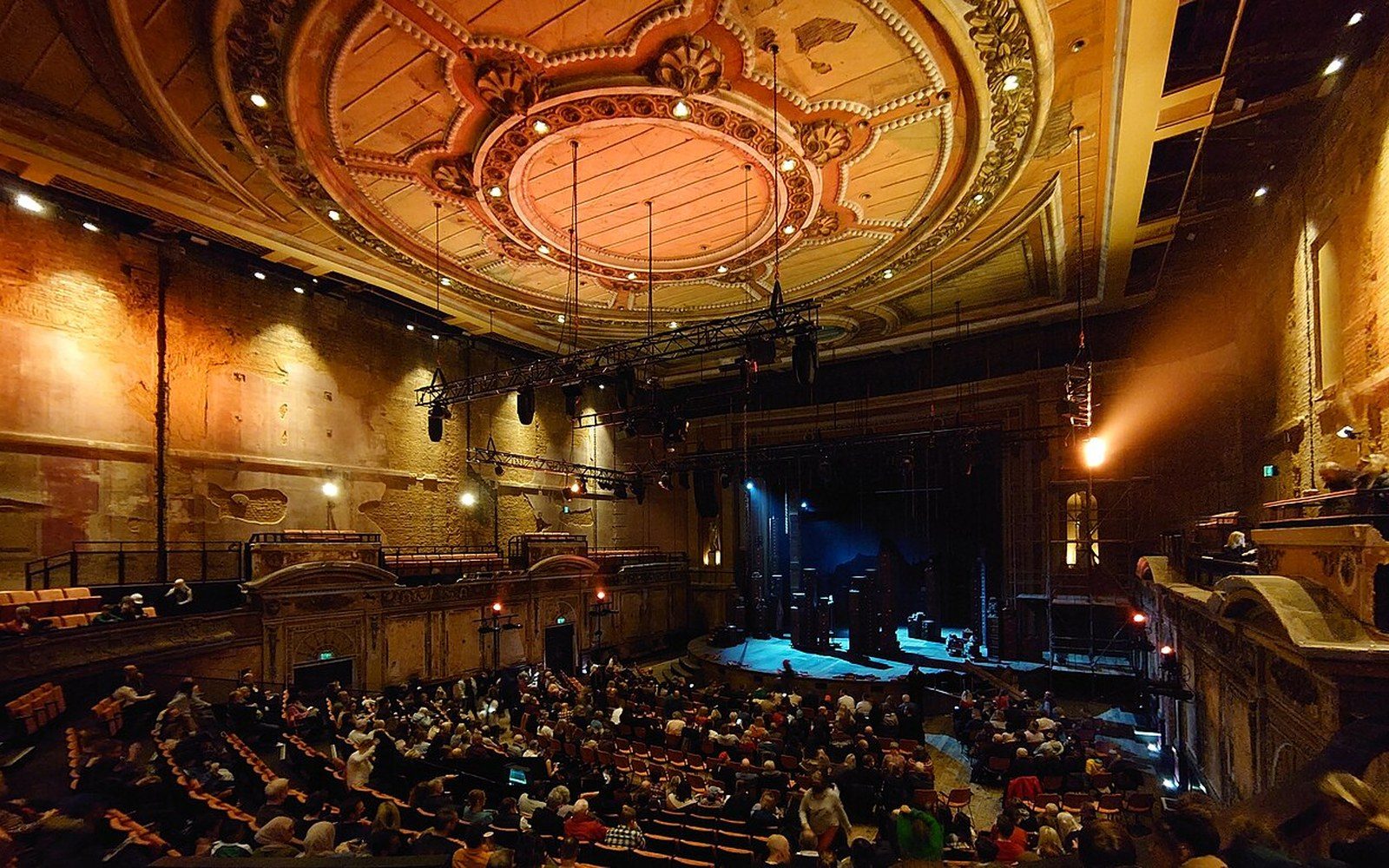
The mechanics are specific. A book musical builds through the second act toward a point of maximum emotional pressure — usually carried by a single principal, usually solo or near-solo, usually confessional or defiant in tone. “Rose’s Turn” in Gypsy, “Being Alive” in Company, “Cabaret” in Cabaret: each arrives when the story has exhausted its complications and demands a reckoning. The audience has spent two hours with this person. The number cashes that investment.
Stephen Sondheim’s scores are unusually explicit about the slot. “Being Alive” replaces “Happily Ever After” in the published structure of Company specifically because the earlier song did not function as a true eleven o’clock number — it was bitter where the slot requires something that breaks open. The replacement, with Jonathan Tunick’s orchestration, was built to land. It does.

The position also carries commercial weight. A show whose second act loses energy before the finale is a show with a problem that out-of-town tryouts exist partly to diagnose. Producers and directors watch for the moment when the house disengages; if it happens before the climax, something is cut or rebuilt. The eleven o’clock number is the last chance to recapture momentum before the curtain call, which means it is, in practical terms, the last argument the show makes for itself.