The show that opens is not the show that started previews
Paying audiences watch a show being fixed.
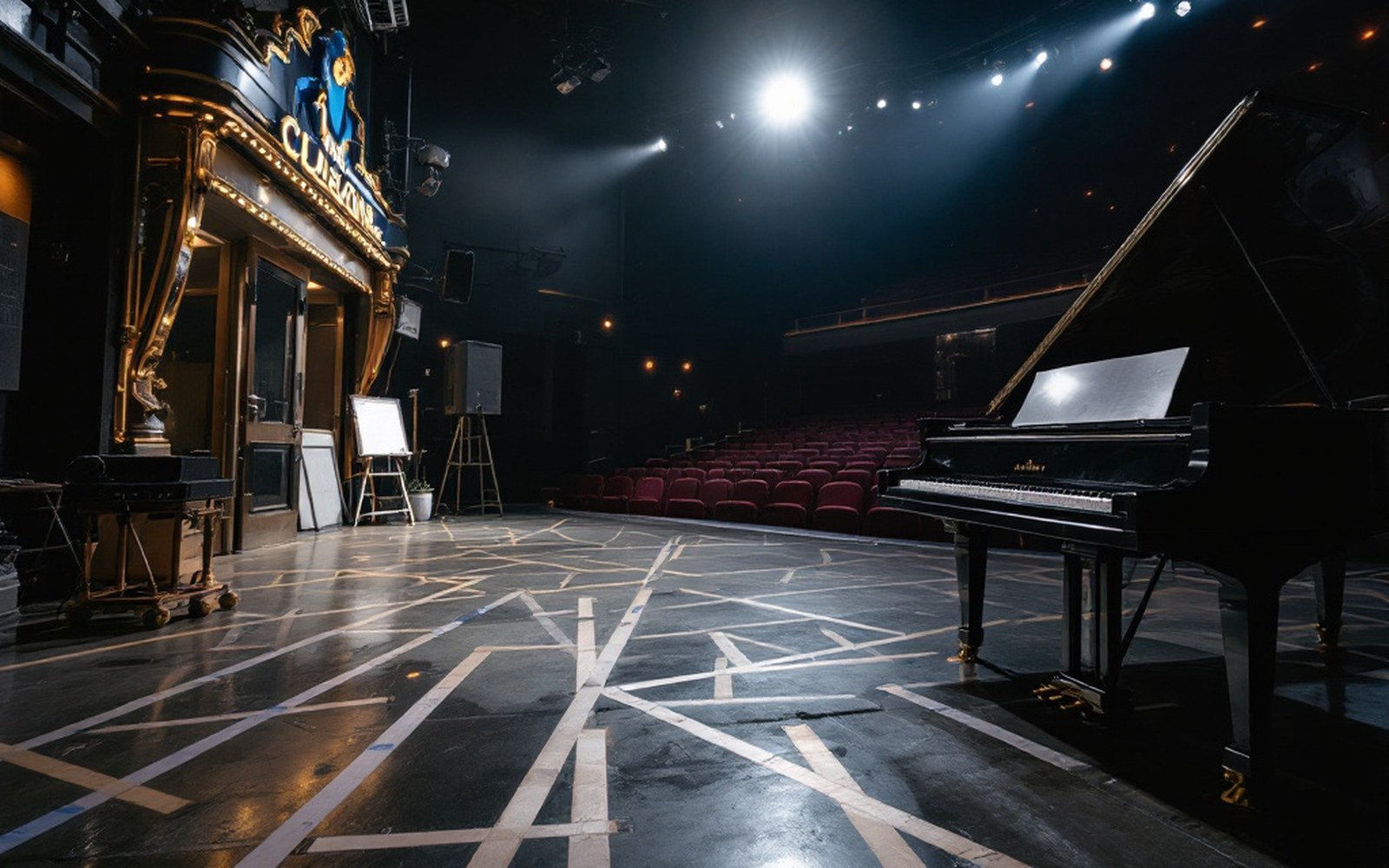
The preview period is the real final rehearsal
A Broadway musical does not arrive finished. By the time it reaches New York — after workshops, an out-of-town tryout in Boston or Washington, and weeks of technical preparation — it has already been rewritten several times. Then previews begin, and the rewriting continues, in front of houses that paid full price to sit in them.
The logic is brutal but honest: no rehearsal room replicates an audience. A joke that reads well in a run-through dies in silence when two thousand people don’t laugh. A second-act ballad that moves the creative team leaves a real crowd cold. The eleven o’clock number — the late-show showstopper designed to send an audience out energised — can fail on its first night in front of civilians and be gone by the weekend. Numbers are cut, scenes are reordered, whole characters are reduced or removed. The book, meaning the spoken script and dramatic structure, is frequently the thing that changes most.
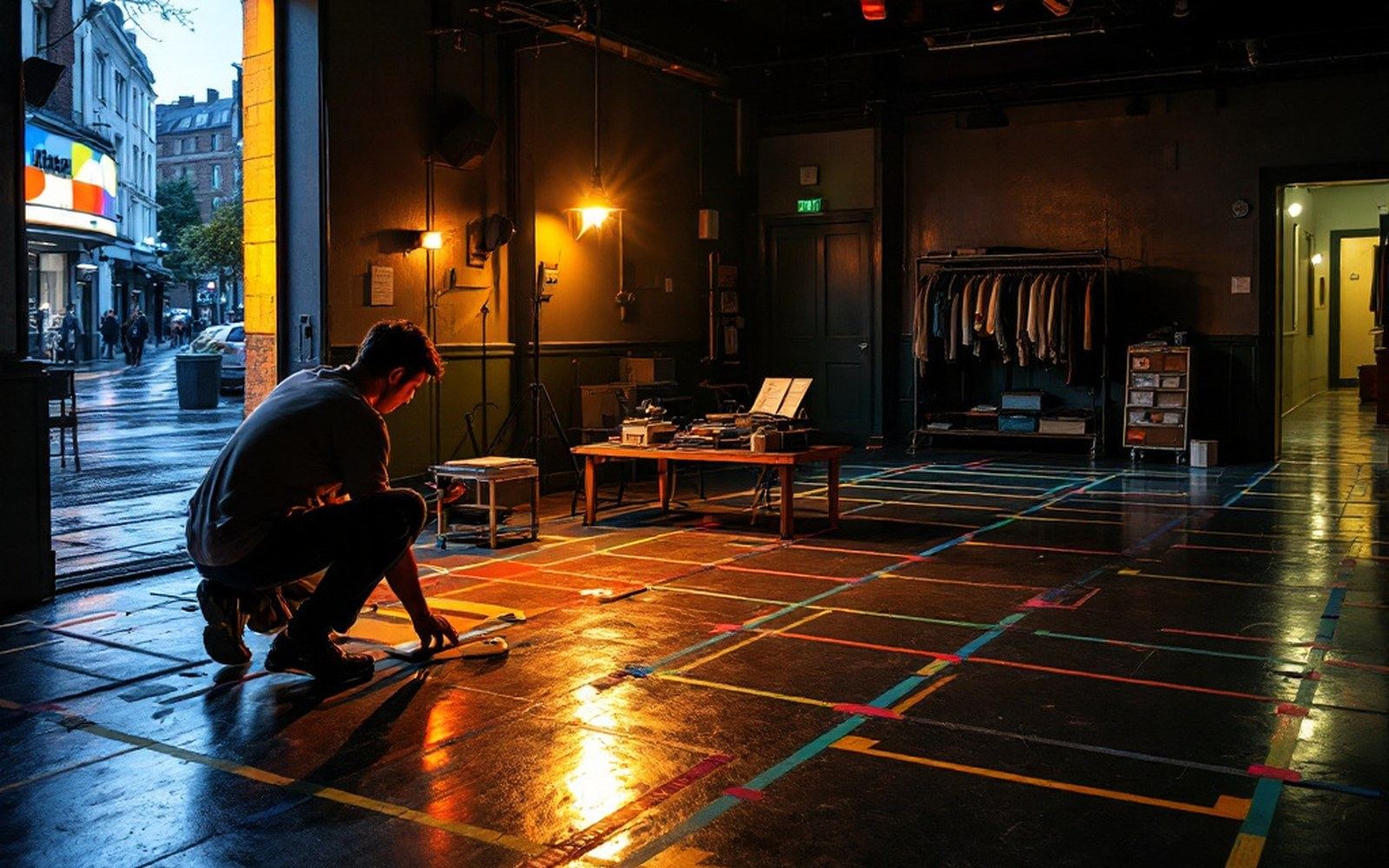
The preview period on Broadway typically runs three to eight weeks before the official opening night, when critics are invited and the production is considered fixed. During that window the show is, in industry terms, still in previews — a status that carries real consequences. The Tony Awards eligibility clock starts from opening night, not from the first preview. Critics are expected, by convention, to wait for the press opening, though the convention has frayed over the years as digital media compresses the news cycle.
What actually changes, and who decides
The creative team — composer, lyricist, book writer, director and choreographer — converges nightly on the theatre to watch and take notes. Producers attend. The Broadway League tracks the season once shows open, but during previews the only record of what a show looked like is what the company remembers. No official archive captures Version One.

Changes are negotiated under pressure and credited carefully, because the Dramatists Guild governs who may alter a licensed script. Jonathan Larson’s Rent famously lost its creator the night before its first off-Broadway preview in 1996; the decisions made by the director Michael Greif and the dramaturg in the days that followed shaped what the cast recording ultimately preserved. When Hamilton was in previews at the Public Theater in 2015, Lin-Manuel Miranda was still adjusting scenes before the show transferred to Broadway. Michael Bennett rebuilt A Chorus Line through a previews process that was itself part of the show’s mythology.
The actors carry the changes under their feet. A swing — a performer who covers multiple ensemble tracks and can step in for several different roles — may learn a new version of a number on Tuesday morning and perform it Tuesday night. Actors’ Equity governs how many additional rehearsal hours a company may be called for during previews without triggering extra compensation, which makes the schedule a negotiated resource as much as an artistic one.
The show that critics see
By opening night, producers have made their bets. What reads in the press as a smooth debut has usually involved cuts that left sets in the fly tower, orchestrations rebalanced overnight by the arranger, and at least one number that the company rehearsed for months and never performed publicly. The version critics evaluate is the product of weeks of paid public failure and rapid correction — which is not a flaw in the system but its central mechanism. Previews exist because there is no better laboratory than a real audience, and Broadway has always known it.