The composer writes the tune, somebody else writes the sound
The orchestrator’s name rarely appears on the marquee, but the sound you hear is theirs.
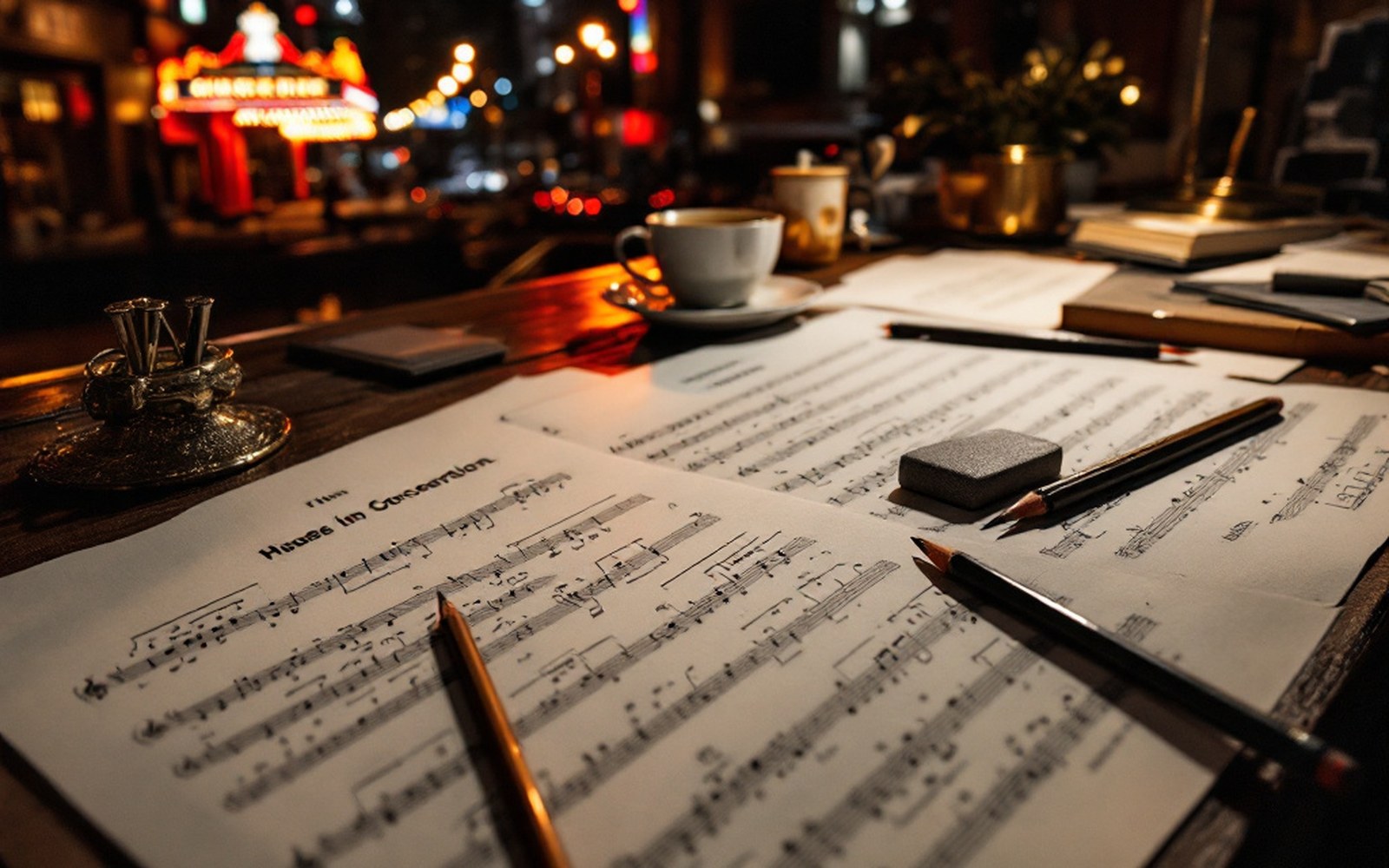
When you sit down in a Broadway house and the overture begins, you are hearing the work of at least two people who are rarely discussed in the same breath. The composer wrote the melody and the harmony. The orchestrator decided which instruments would carry them, at what weight, in what colour, and how the whole band would breathe together as a dramatic unit. These are not the same job. The distinction is old, largely invisible to audiences, and absolutely central to what musical theatre sounds like.
The mechanics are straightforward enough. A composer delivers what the trade calls a piano-vocal score: melody, lyrics, chord symbols, sometimes specific voicings, sometimes just a sketch. The orchestrator takes that document and writes out every instrumental part — what each violin does, when the brass enters, how the woodwinds double the melody or contradict it. On a full Broadway score, this can mean thirty or more individual lines written bar by bar across a two-hour show. It is not arrangement in the casual sense. It is composition of texture and it shapes what the audience feels as much as the tune itself does.
Jonathan Tunick and the Sondheim voice
No working relationship in American musical theatre makes the point more cleanly than the one between Stephen Sondheim and Jonathan Tunick. Tunick orchestrated the original productions of Company (1970), Follies (1971), A Little Night Music (1973), Sweeney Todd (1979), Merrily We Roll Along (1981), Into the Woods (1987) and Passion (1994), among others. Taken together, these scores are among the most harmonically complex in the Broadway repertoire — and Tunick’s orchestrations are inseparable from their identity.
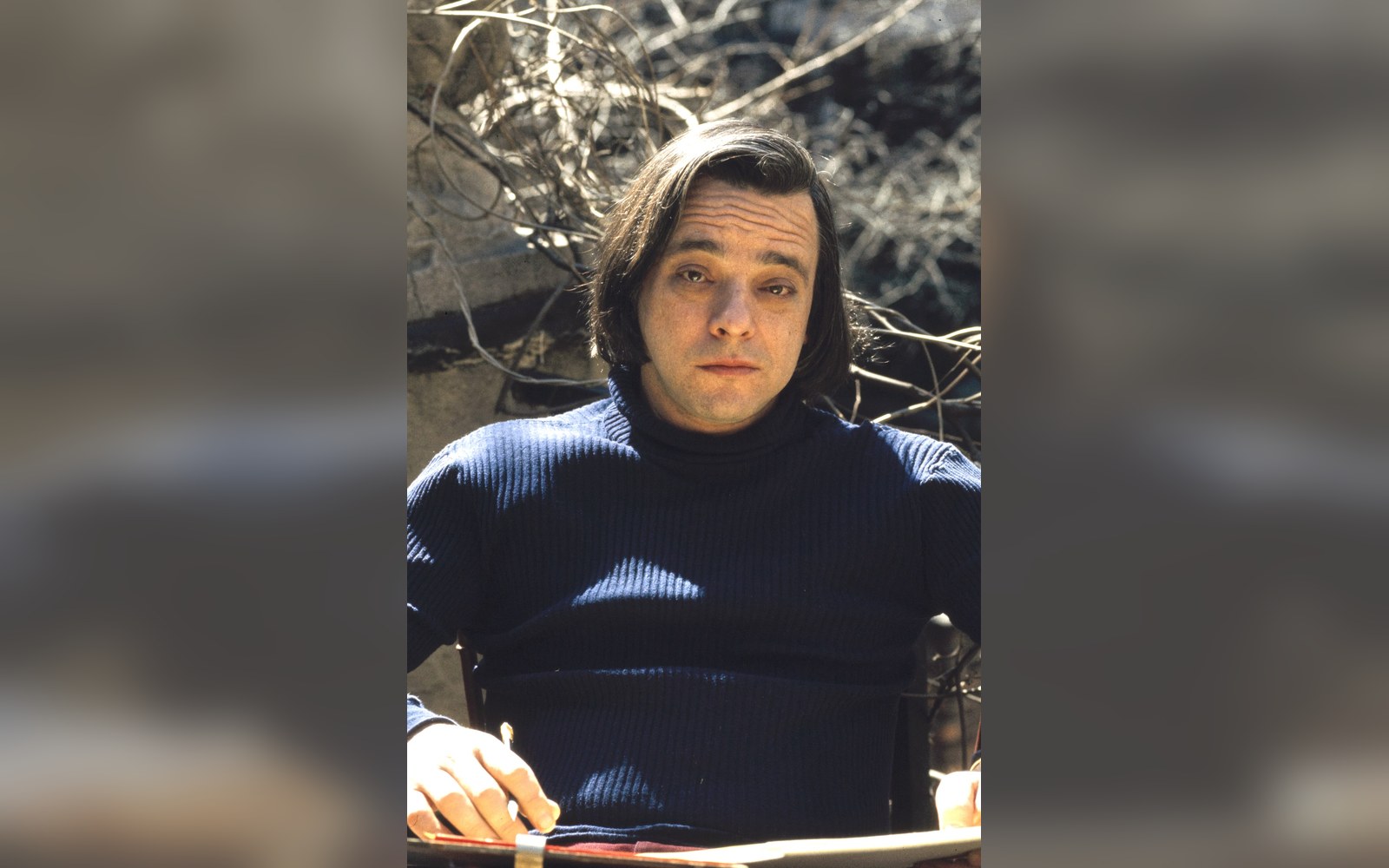
Listen to the strings in A Little Night Music, a score written almost entirely in waltz time. The writing is chamber-like, restrained, with a transparency that lets Sondheim’s intricate inner voices land on the ear. Then listen to Sweeney Todd: the same orchestrator, but now the brass is uglier, the textures thicker, the woodwinds capable of something close to menace. Tunick was not simply dressing melodies in period costume. He was making compositional decisions about weight and darkness that serve the drama. The bleakness of Sweeney Todd’s sound is a statement about the world of that show, and that statement belongs partly to him.
Tunick has described the work as finding the sound the composer hears but cannot write out — a translation task, though that undersells it. He was awarded a Tony Award for Best Orchestrations in 1997, the inaugural year of that category, for Titanic. The category’s very existence was a formal acknowledgment that orchestration is a distinct craft deserving its own industry recognition.
How the credit is structured — and how it can be obscured
The orchestrator’s credit in a playbill is usually buried. It sits well below the director, the choreographer, the scenic designer, the lighting designer. In some productions it appears on a page the audience skims past. This is partly convention and partly commerce: the marquee and the poster sell names that audiences already know. But it has a practical consequence — listeners who respond strongly to a show’s sound often cannot name the person responsible for it.
The craft has historically been invisible in another way too. For much of Broadway’s mid-century golden period, orchestrators worked under punishing schedules and in conditions that kept them anonymous almost by design. Robert Russell Bennett, who orchestrated many of Rodgers and Hammerstein's scores and whose output in the first half of the twentieth century was enormous, worked at extraordinary speed, writing parts that were copied and handed to musicians who sometimes sight-read them for the first time at a sitzprobe — the first rehearsal where cast and orchestra are in the same room. The institutional knowledge of how a show’s sound was constructed often existed only in the orchestrator’s head.
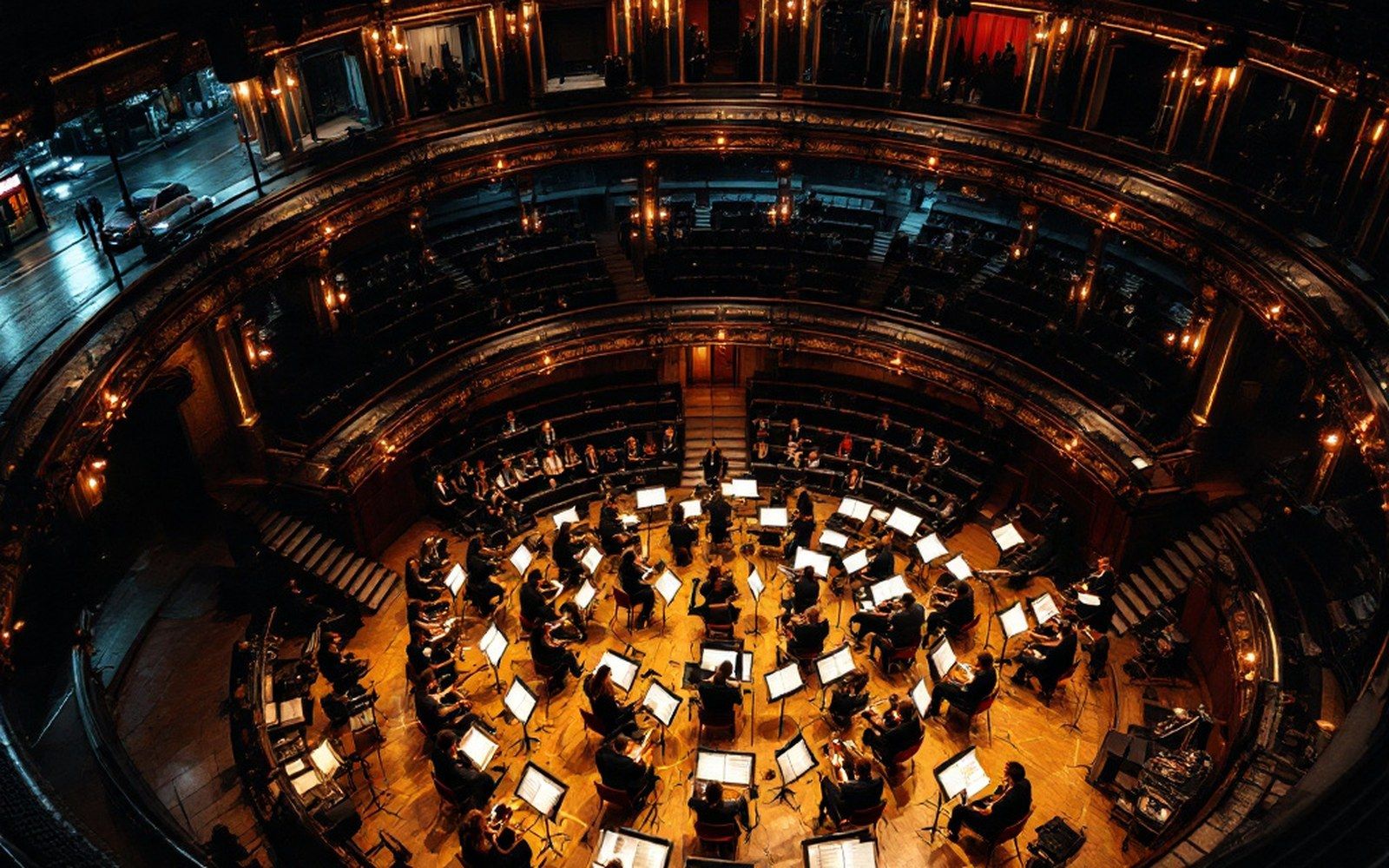
The modern Broadway production is somewhat more legible. Orchestrations are now routinely archived, and licensing houses that handle productions of classic shows will often specify — and sometimes require — that the original orchestration be used. This matters because orchestrations can drift. When a show is licensed for regional or school production with a reduced band, new arrangements are written, and the resulting sound differs substantially from what opened on Broadway. The audience at a twenty-piece professional production and the audience at a twelve-piece regional one are hearing related but genuinely different works.
What the pit size has to do with it
Orchestration cannot be separated from the size of the band the orchestrator is writing for. Minimum musician counts in Broadway houses are negotiated between producers and the American Federation of Musicians and vary by theatre. A larger house with a higher minimum gives the orchestrator more colour to work with; a smaller minimum compresses the palette. When Hamilton opened at the Richard Rodgers Theatre in 2015, Lin-Manuel Miranda’s score — itself already a departure in its reliance on hip-hop and R&B structures — received orchestrations by Alex Lacamoire that drew on a relatively small live band supplemented by electronics. The specific sound of that production, spare and percussive at its core, was a product of what Lacamoire chose to write and what the contract required.
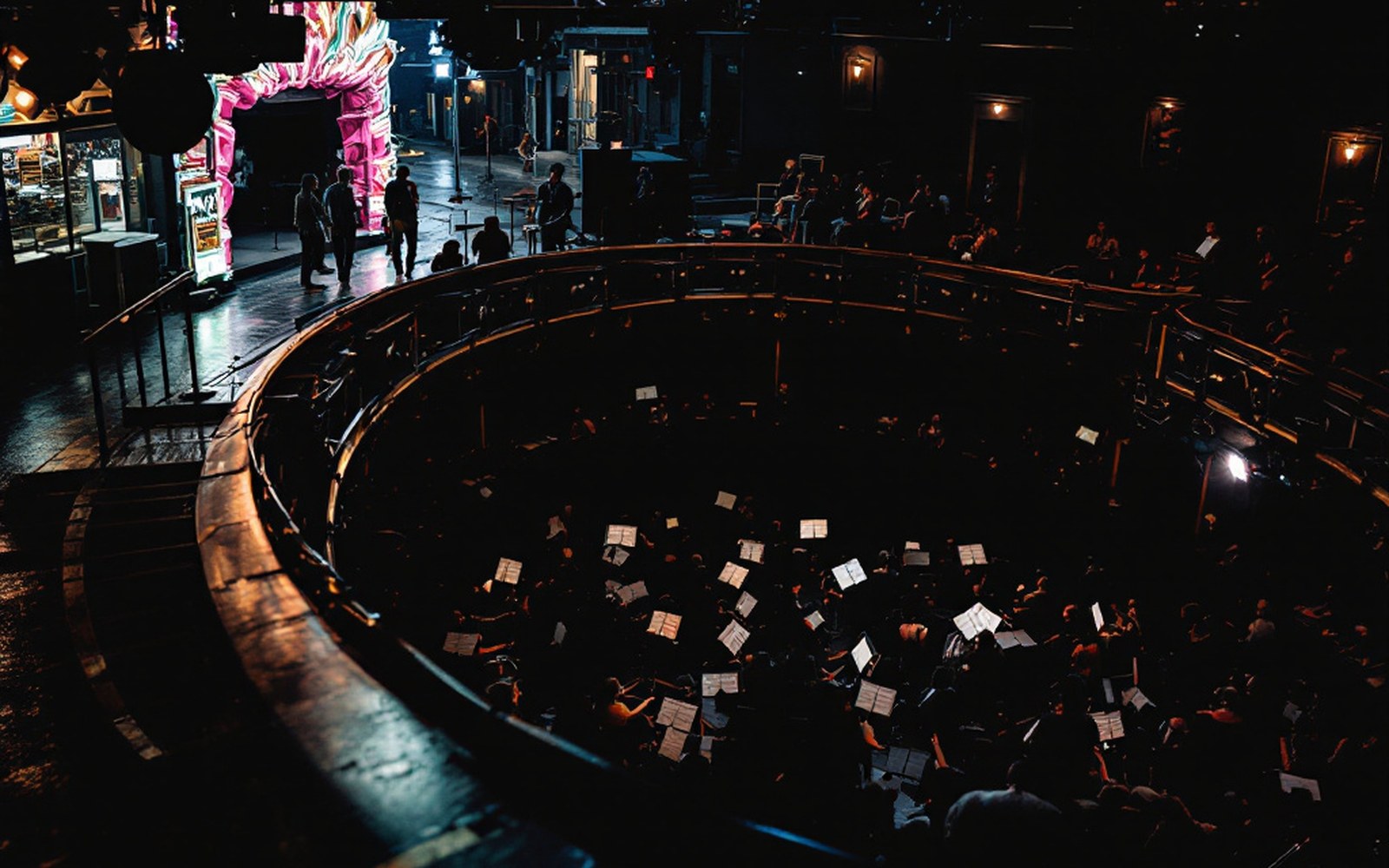
The shrinking of pit sizes across the industry is a genuine historical pressure on what orchestrators can do. A score written for the full complement of the mid-century Broadway pit — often thirty-five to forty musicians — cannot be reproduced at that scale in most houses today without a revival budget that specifically restores it. When the Broadway League reports weekly grosses and attendance figures, that accounting is downstream of economic decisions that include the cost of the pit; the number of musicians in a given house on a given night is partly a budgetary outcome.
Why it matters what you hear
The melody stays the same. What carries it does not have to.
The argument for knowing the orchestrator’s name is not academic. It changes what you listen for. The lush, almost impressionistic string writing in Passion is not just Sondheim’s harmonic language — it is Tunick’s instrumental realisation of it. The two are fused. When a revival reconceives a show’s orchestrations, it is making a creative decision as significant as recasting the lead, and the result can be a genuinely different show.