Broadway is a list of buildings, not a place
The designation is contractual: forty-one theatres qualify, most of them clustered within a few blocks of Times Square, and everything from union minimums to award eligibility follows from that list.
The map is smaller than you think
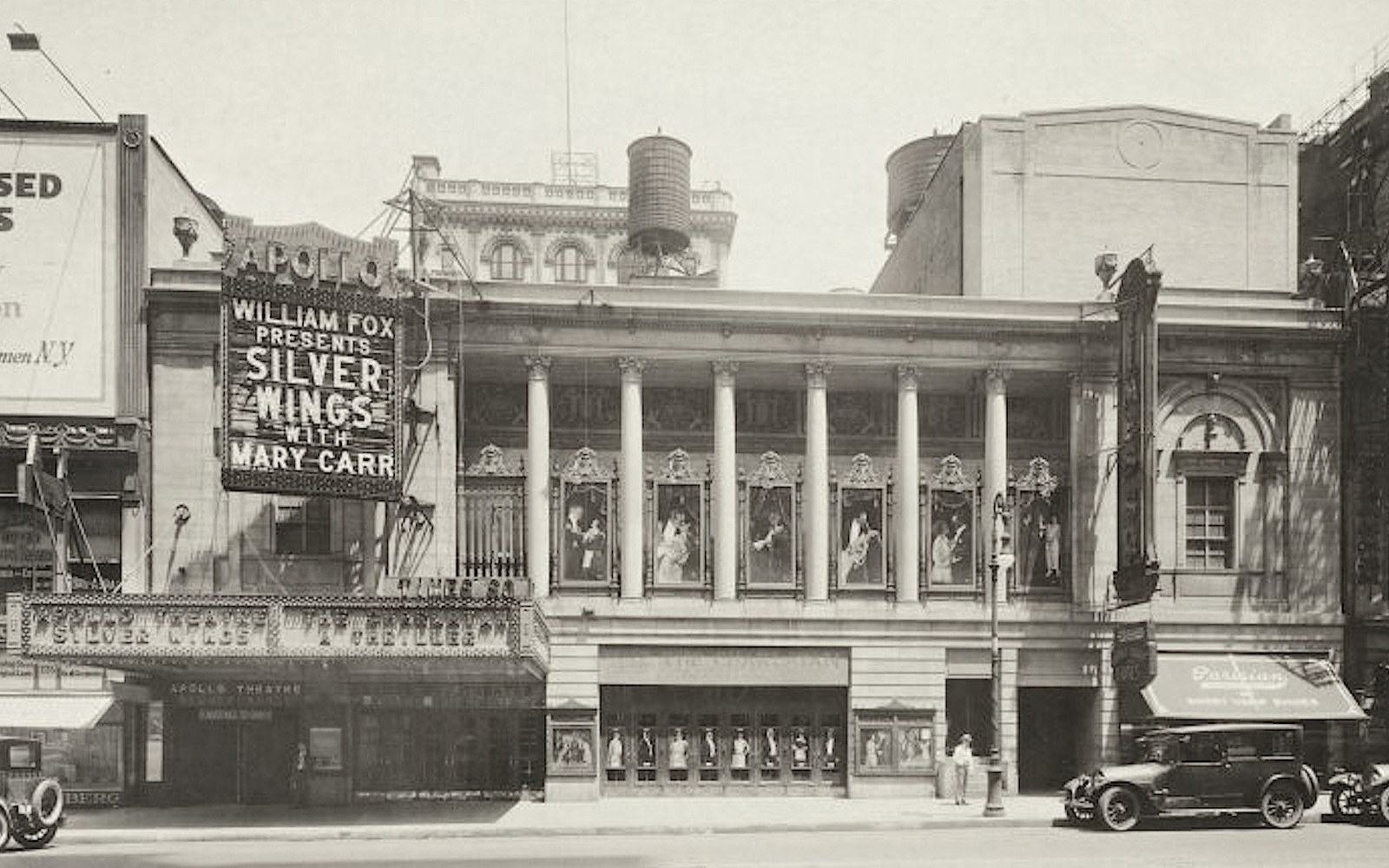
Ask someone where Broadway is and they will gesture toward Times Square. That is close enough for a tourist and imprecise enough to mislead a professional. The real answer is a roster — currently forty-one theatres, maintained by the Broadway League, the trade association that represents producers and theatre owners. A building’s place on that list is what makes a run “Broadway.” The geography mostly lines up — nearly every qualifying house sits within a compact grid of streets between roughly 41st and 54th, between Sixth and Eighth Avenues — but the designation itself is administrative, not geographic.
That distinction matters because every major contractual and legal consequence flows from the list, not from the address. A show that opens at a house on the roster triggers Broadway-scale agreements with Actors’ Equity Association and the American Federation of Musicians. It qualifies for Tony Award consideration. Its weekly grosses are reported to the Broadway League and folded into the aggregate figures the industry uses to measure its own health. None of that applies one block away if the theatre is not on the list — Off-Broadway and Off-Off-Broadway operate under entirely separate contracts, pay scales and audience-size thresholds.
The size threshold is part of what defines the category. Broadway houses seat 500 or more, and most of the forty-one run considerably higher: the Gershwin, currently the largest, holds around 1,900. That capacity shapes the economics of every show that opens inside one, because the capitalisation required to fill a Broadway house — the upfront investment before the first preview — runs into millions of dollars. The weekly break-even figure is correspondingly steep, which is why the weekly gross matters: it tells investors whether a show is approaching the number it needs to stay open.
Why the list controls so much
Tony eligibility is probably the most visible consequence of the roster, because awards drive ticket sales and ticket sales drive runs. The Tony Awards define an eligible production as one that opened in a qualifying Broadway house during the award season, which runs roughly from late April one year to late April the next. A show that plays an identically sized theatre two streets over — but one that is not on the League’s list — cannot be nominated, regardless of its critical reception or commercial success. This is not an accident of administration; it is the mechanism by which the industry certifies what counts. As the Tony eligibility rules make clear, the buildings themselves are the qualification, not the scale of the production or the ambition of the work.
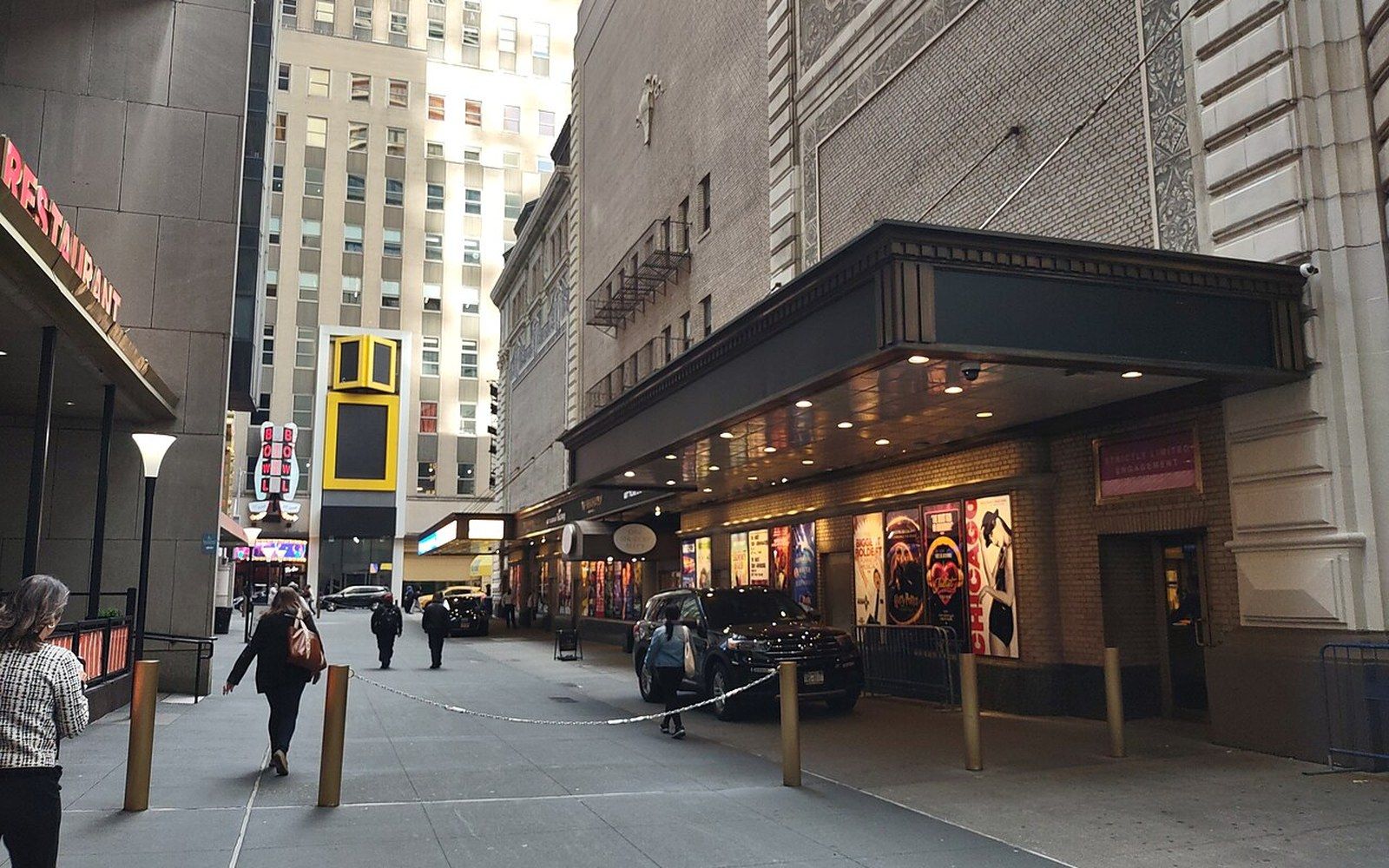
The same principle governs labour agreements. When Cameron Mackintosh brought a new production into a Broadway house, or when a revival of a Stephen Sondheim musical transferred from the West End, the moment the production signed a lease with a qualifying theatre, it entered the Broadway contract structure. Actors’ Equity’s Production Contract — the highest-tier Equity agreement — applies specifically to Broadway houses and sets minimum salaries, rehearsal conditions and billing requirements well above what Off-Broadway agreements require. The American Federation of Musicians negotiates minimum orchestra sizes on a house-by-house basis; those minimums are higher, and more fiercely contested, at Broadway houses than anywhere else in the country. A producer can reduce the band, but doing so requires negotiating with the union against those house-specific floors.
Producers are buying something beyond square footage when they lease a Broadway house.
Producers who lease a qualifying house are buying into a regulatory and commercial ecosystem — one that provides certification (Tony eligibility), market visibility (weekly gross reporting), a defined audience expectation and a labour framework that has its own rules about everything from understudy coverage to the presence of a swing in the company. That package is expensive and it is also the reason a Broadway credit means what it means on a résumé, a poster or a cast recording.
Forty-one buildings and what they carry
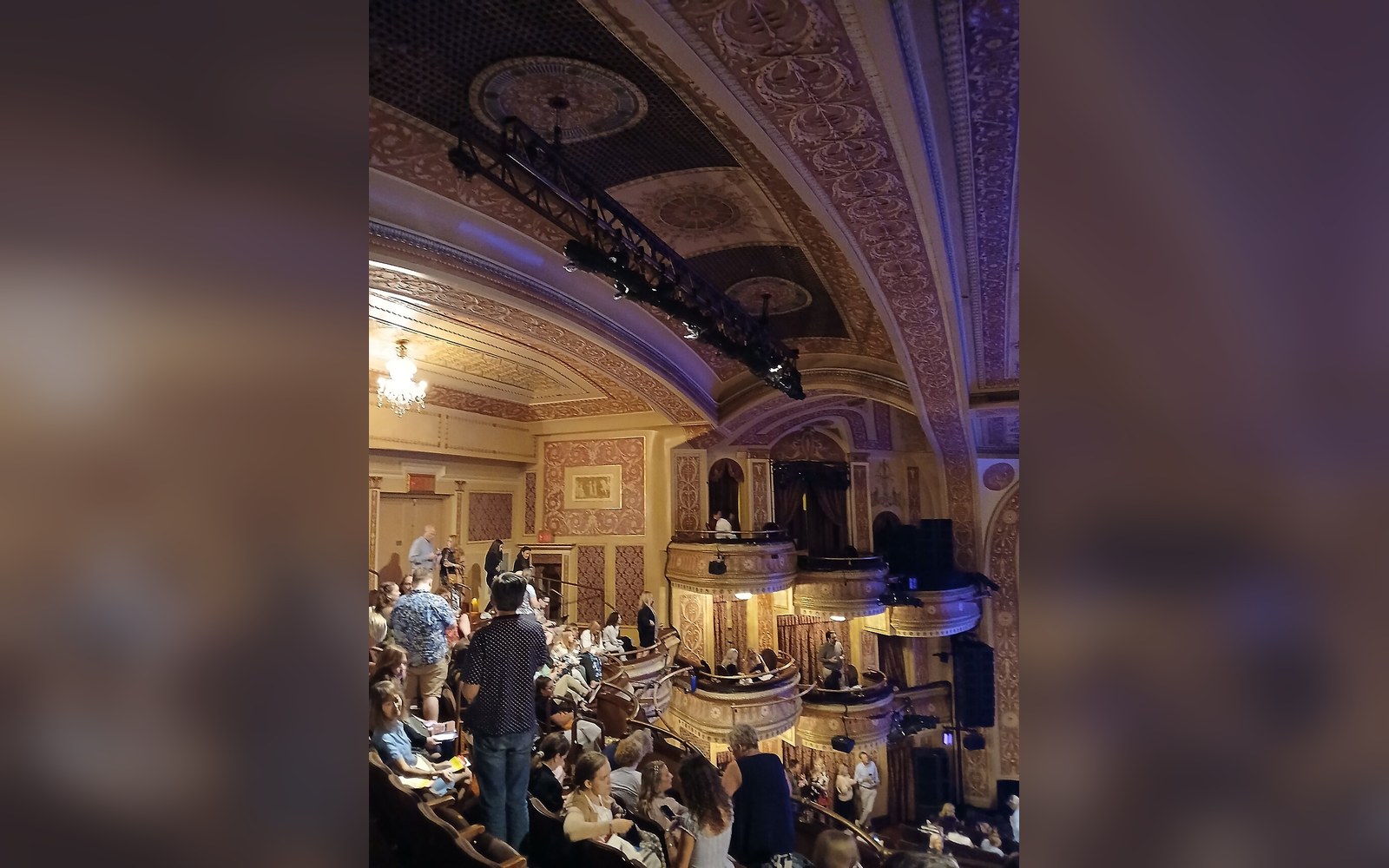
The current forty-one include houses that have been staging musicals for over a century — the Winter Garden, where Cats ran for eighteen years and the roof was structurally altered to accommodate the set, opened in its present form in 1911. Others, like the Circle in the Square, are atypical in configuration: it seats under 800 in a thrust arrangement, which makes it unusual among Broadway houses but does not disqualify it, because the League’s roster is based on designation rather than any single physical template. The Palace Theatre on Times Square, originally a vaudeville house, has been a Broadway venue for decades and was recently subject to a major reconstruction that raised its auditorium floor to create retail space beneath — an example of the commercial pressure these buildings operate under even while hosting the industry’s flagship product.
Not every house is in continuous use. Broadway theatres go dark between productions, are sometimes leased for non-theatrical purposes during extended gaps, and occasionally undergo renovation that takes them off the active market for a season or more. But they remain on the list. The designation is attached to the building, not to the current occupant, which means a dark house retains its contractual significance the moment a new production signs in.
What does not remain fixed is the list itself. The number forty-one reflects the current count; historically, the roster has shifted as buildings were demolished, repurposed or newly qualified. The TKTS booth in Times Square and the sprawl of hotel marquees nearby give the neighbourhood a theatrical identity that the list does not actually match: some famous Broadway addresses are gone, and some qualifying houses sit at the edges of the district, away from the tourist-facing neon. The geography is suggestive, not definitive.
For anyone booking tickets, the practical upshot is simple enough: a show described as “Broadway” is playing in one of those forty-one buildings, and that label carries a specific meaning about scale, union coverage, award eligibility and price point. For anyone working in the industry — as a producer, a musician, a stage manager or a performer — the list is one of the most consequential documents in American commercial theatre, because the weekly grosses it generates, the contracts it triggers and the awards it gates are the infrastructure the whole business runs on. The building is the credential. Everything else follows from that.