A Tony depends on which building you opened in
The award is contractual before it is artistic — eligibility is decided by an address, not by a review.
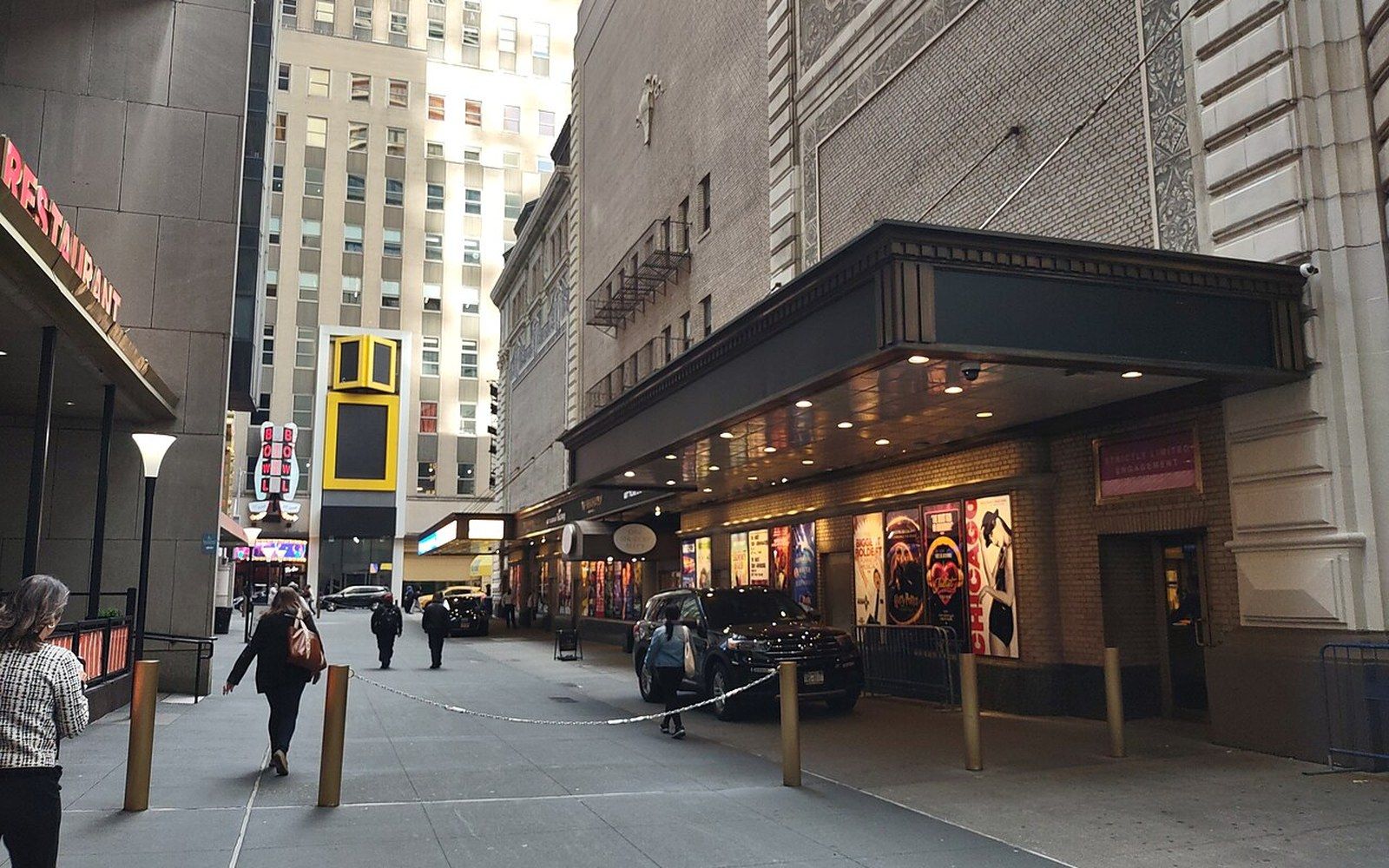
The list comes before the curtain
The Tony Awards are administered jointly by the Broadway League and the American Theatre Wing, and the first question they answer about any production is not whether it is good but whether it qualifies. Qualification rests almost entirely on venue. Broadway, for Tony purposes, is not a neighbourhood or a style of production — it is a specific, enumerated list of theatres. Open in one of those buildings and you are eligible. Open anywhere else and you are not, regardless of budget, cast, or critical reception.
The list currently runs to forty-one houses, most of them clustered in the blocks between West 41st and West 54th Streets near Times Square, with a handful of outliers. What they share is a seating capacity above a defined threshold — the Broadway League’s eligibility rules require a house of five hundred seats or more — and a contractual relationship with the League itself. The buildings are mostly privately owned; the designation is a trade agreement, not a civic one. A show produced under a Broadway contract in a qualifying house employs musicians under American Federation of Musicians terms, cast under Actors’ Equity’s Broadway scale, and every financial figure from that run goes into the weekly grosses that the Broadway League publishes. Eligibility flows from that web of contracts, not from a postcode.
What the address actually decides
The practical consequence is that two productions can open within a short walk of each other, with comparable production values and comparable ticket prices, and only one of them is in Tony contention. Off-Broadway houses — even large, prestigious ones — fall below the threshold. A show at a 499-seat house on the same block as the Winter Garden is in a different industry, contractually speaking, and its performers, director and designers are invisible to the Tony voters that season. This is not a flaw in the system so much as the system being honest about what it is: a trade award for a specific trade category, with hard edges.
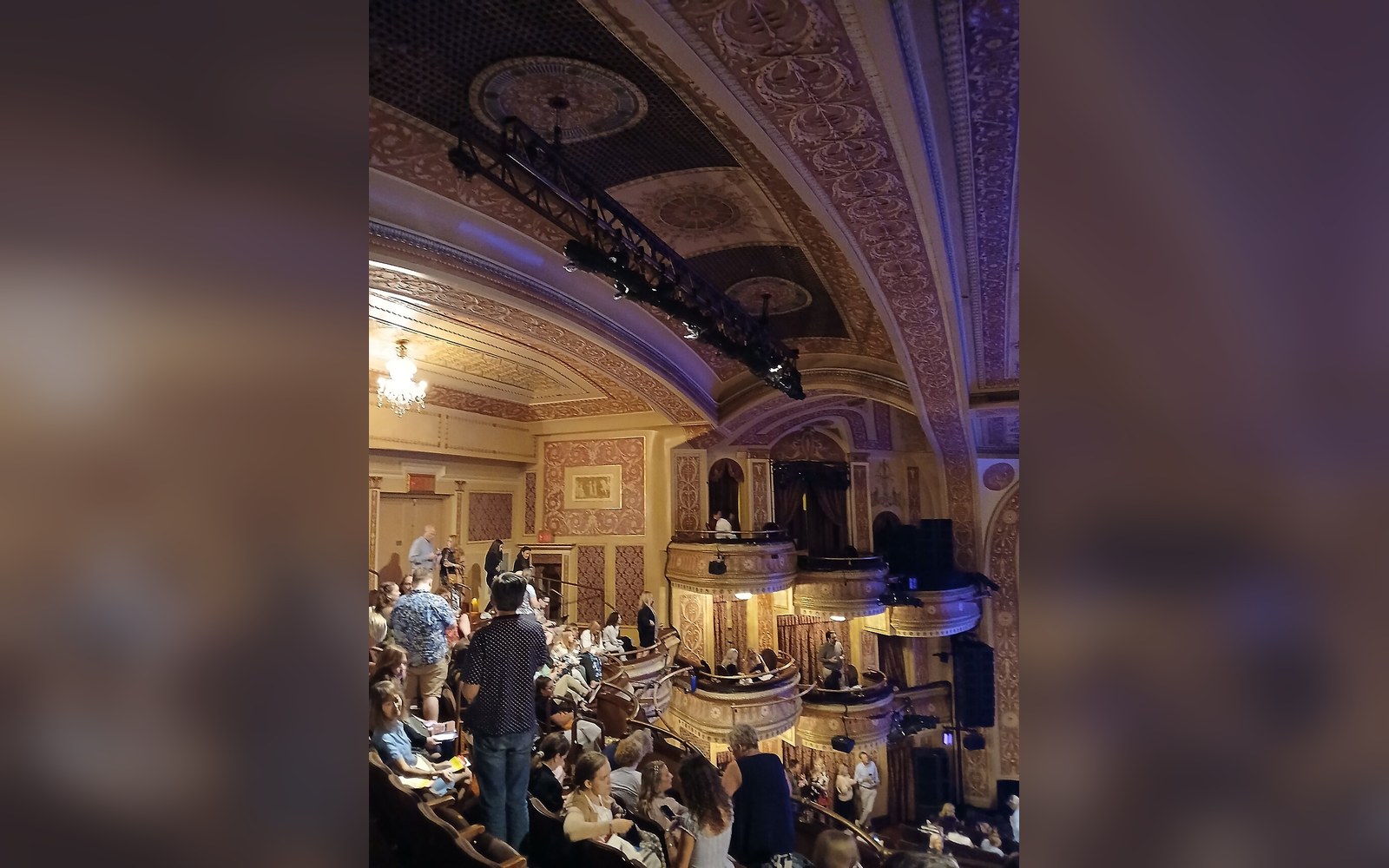
Those edges create well-documented anomalies. Productions developed Off-Broadway sometimes transfer to a qualifying house specifically to gain eligibility — the transfer is a business decision as much as an artistic one. A show that ran for years downtown, built a following and recouped its investment, then moves to a Broadway house and is suddenly “new” to the Tony calendar. Jonathan Larson’s Rent began at the New York Theatre Workshop before transferring to the Nederlander, a qualifying house, in 1996; its Tony eligibility — and its four awards that year, including Best Musical — began at the moment of transfer, not at the moment of creation. Lin-Manuel Miranda’s In the Heights similarly moved from a downtown workshop context to the Richard Rodgers Theatre for its 2008 Broadway run; the Tony nominations followed the address.
The building itself can become a site of institutional memory because of this. Her Majesty’s Theatre in London held The Phantom of the Opera for decades; the West End has its own award ecosystem through the Olivier Awards and the Society of London Theatre, with eligibility rules that differ from Broadway’s. The same production, the same creative team, the same title — but two separate award competitions, governed by two separate sets of venue criteria on two separate streets.
Why a bad building can strand a good show
Producers scouting real estate before a production opens are therefore scouting for Tony eligibility as much as for sight lines and loading docks. A house that goes dark, or that converts to another use, shrinks the list. A house added to the League’s qualifying roster expands it. The Tony Administration Committee makes eligibility rulings on edge cases — limited runs, concert productions, transfers mid-season — and those rulings are consequential enough to be contested. What looks like an artistic judgment from the outside is frequently a contractual one at its root: the award cannot even consider a production until the building says yes.
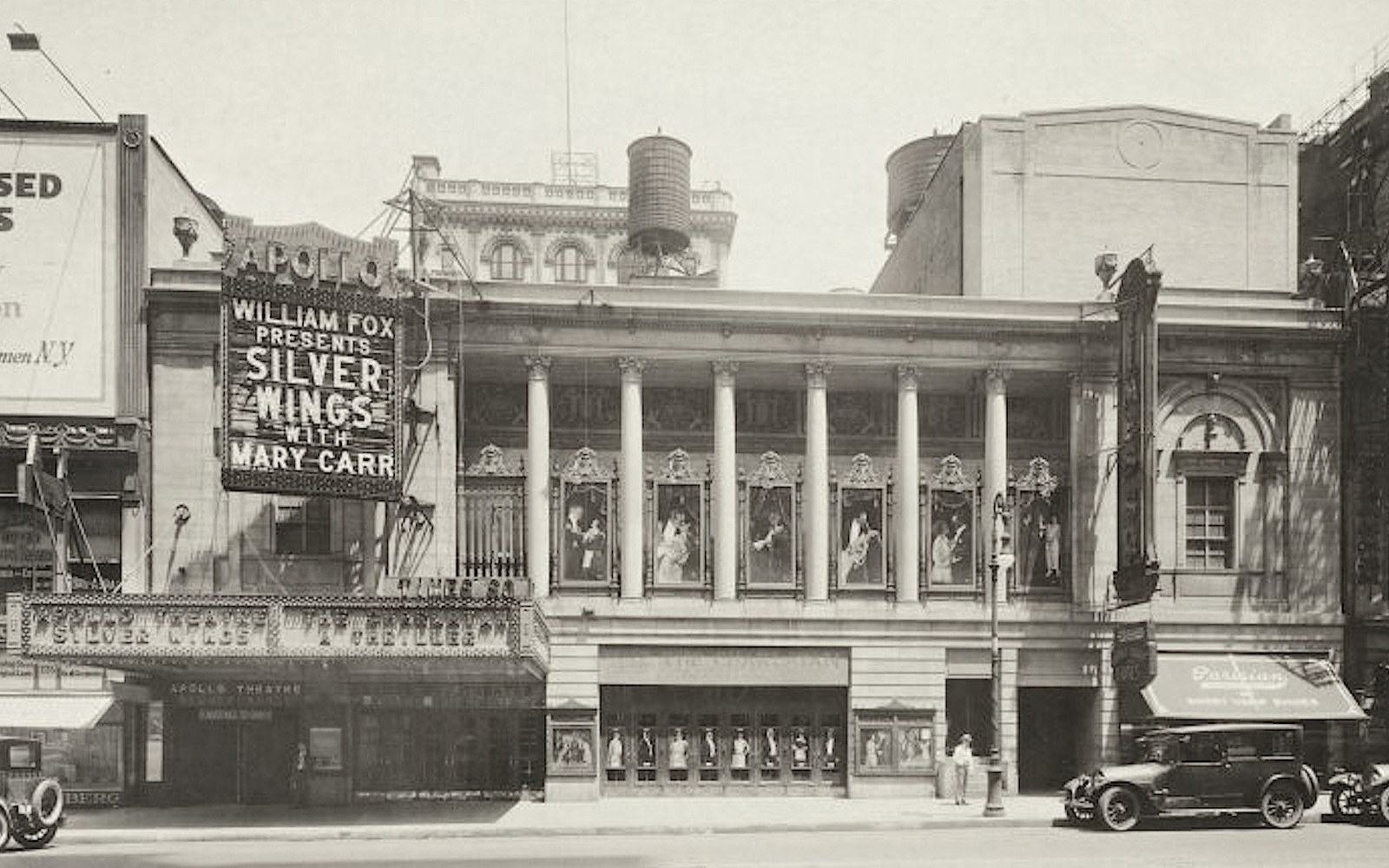
This is the part of the Tony calendar that never makes the telecast. The envelope moment is glamorous; the eligibility determination that precedes it by months is a property lease and a union contract, quietly doing most of the work.