The record is shorter than the show and someone chose
Every cast album is an argument: this song matters, this scene does not, and future listeners will never know what they missed.
What gets left off
A Broadway or West End musical runs somewhere between two and three hours with an interval. A cast recording rarely exceeds seventy-five minutes of music, and often lands well short of that. The arithmetic alone forces omissions, but the nature of what gets cut is not random — it follows a clear and consequential logic.
Dialogue goes first. Underscoring — the orchestral thread that runs beneath scenes, shading a character’s entrance or holding tension through a confrontation — almost never survives. Dance breaks, particularly the extended ones that define the work of choreographers like Bob Fosse or Michael Bennett, are shortened or dropped entirely: movement cannot be heard, and a two-minute vamp that holds a stage in silence reads as dead air on disc. Reprises, which in the theatre are tools of emotional recall, are cut because the producer needs the record to move and the record buyer cannot see what the reprise is answering.
What remains is, broadly, the song as song: verse, chorus, maybe a second verse, out. Cast recordings capture performance, but they quietly re-edit the show’s architecture in the process. A number that lands in the second act because of everything the audience has lived through in the previous ninety minutes now sits in a sequence with no such preparation.
The producing hand
Someone has to make these choices, and that someone is almost always a combination of the original music producer and the show’s creative team — with the record label, where one exists, holding opinions. Jonathan Tunick, the orchestrator most closely associated with Stephen Sondheim’s work through decades of collaboration, has spoken in interviews about the gap between what an orchestration does in the room and what survives on a recording: texture built for a live acoustic gets compressed, equalised, and the spatial relationships between instruments change. The record is a different medium, not a document of the performance.
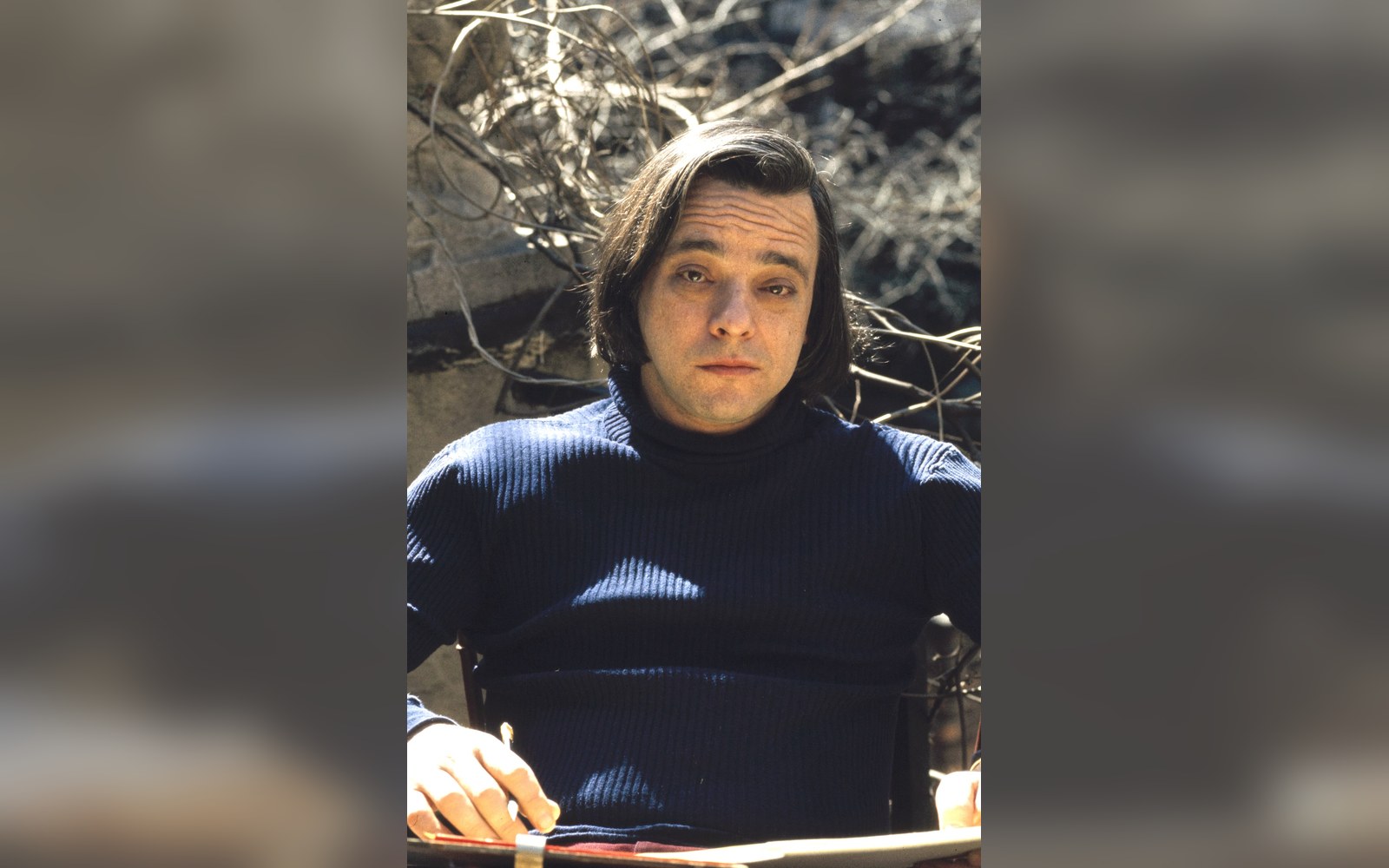
The cast album for Company (the 1970 original) is one of the most studied examples: Sondheim and producer Thomas Z. Shepard made considered choices about which material could be sustained by listening alone. The result shaped how that score was understood by every subsequent production team worldwide — songs that were not recorded became, in practice, optional; songs that were recorded became canonical. The Wikipedia article on the Company original cast recording traces how multiple versions have since restored or altered that original edit.
Lin-Manuel Miranda’s Hamilton represents the opposite pressure: a recording made before the text was fully locked meant the album diverged from the stage text almost immediately. Small lyric changes made during previews — the paid rehearsal period when cuts and revisions happen in front of audiences — never made it onto the record. What hundreds of millions of listeners know as Hamilton is not quite the show that has played the Richard Rodgers Theatre since 2015.
Why it matters beyond nostalgia
For a reader booking tickets, this has a practical implication: if you know a show from its album, you will encounter music you have never heard, and proportions will be different. A song that felt brief on the record may open into a full dance sequence on stage. A moment that seemed to resolve cleanly may have an underscored tail that reopens it. The Internet Broadway Database logs running times and track listings for many productions, giving a rough sense of how far a specific recording departs from its source.
It was always an edit, made by people with preferences and deadlines.
The record is the show’s most durable form — it outlasts the run, survives the cast and travels everywhere a theatre cannot. But it was always an edit, made by people with preferences and deadlines, and it reflects what they thought could hold up without the room.