One house, one show, three decades
When a production runs long enough, the theatre stops being a venue and becomes an address.
The building and the booking
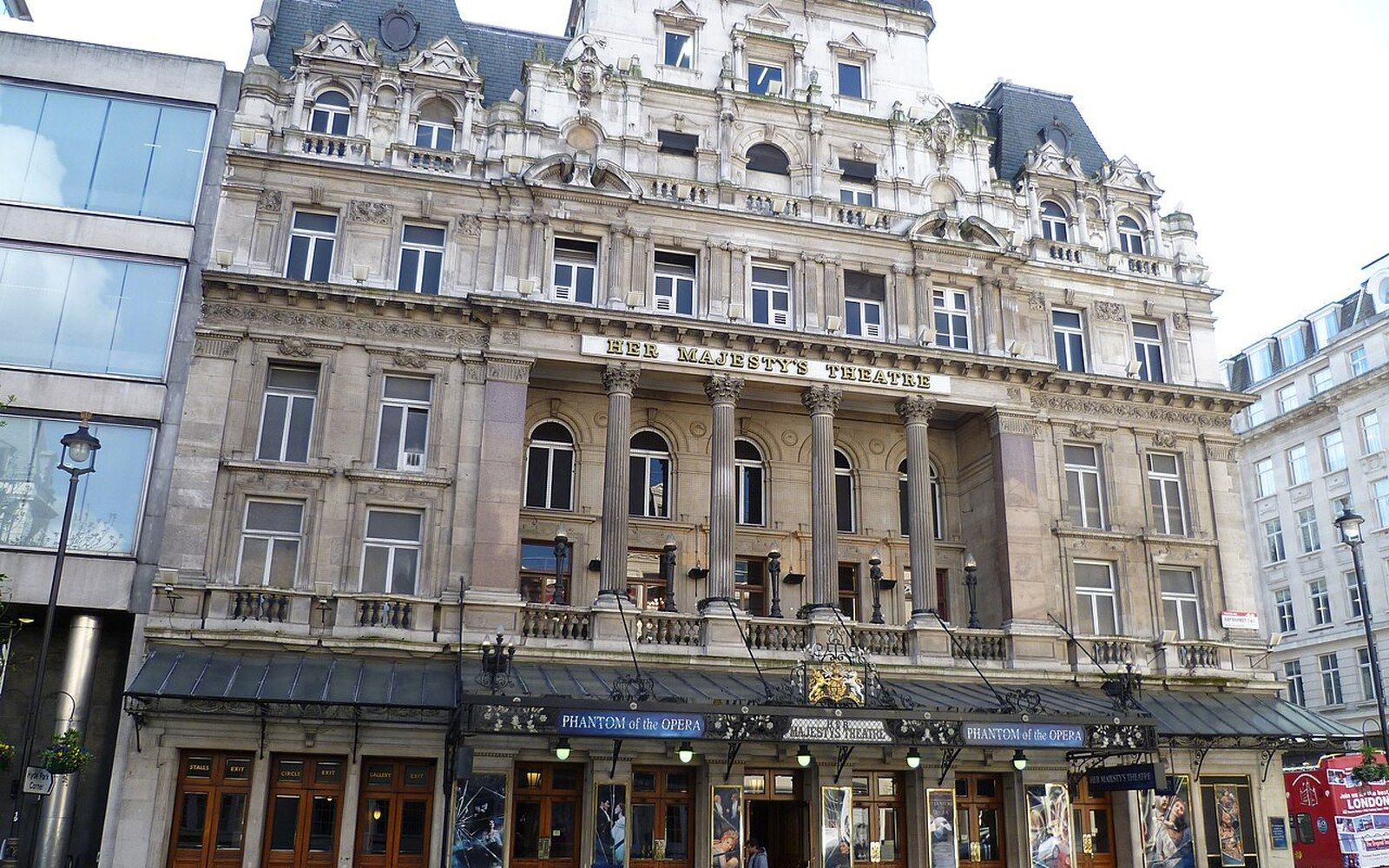
Her Majesty’s Theatre on the Haymarket has occupied roughly the same ground since 1705, rebuilt four times and arriving at its current form in 1897 under the architect C. J. Phipps. It is a grand house — ornate interior, four tiers, a capacity that has historically hovered around 1,200 — and for most of its life it operated as any West End house does: a succession of productions, each arriving with its set and its company, each yielding the stage to whoever came next. That rhythm ended on 9 October 1986, when Andrew Lloyd Webber’s The Phantom of the Opera opened there in a production directed by Harold Prince and designed by Maria Björnson. It did not leave for more than three decades.
The practical difference between a long run and an ordinary booking is easy to understate. In a normal let, the theatre owner grants a licence to the producing company for a defined period — weeks, sometimes months — and the contract covers housekeeping: who staffs the box office, who handles the bar, what the split of revenue looks like. The producing company brings its set and takes it away. Nothing about the building changes because the production was there.
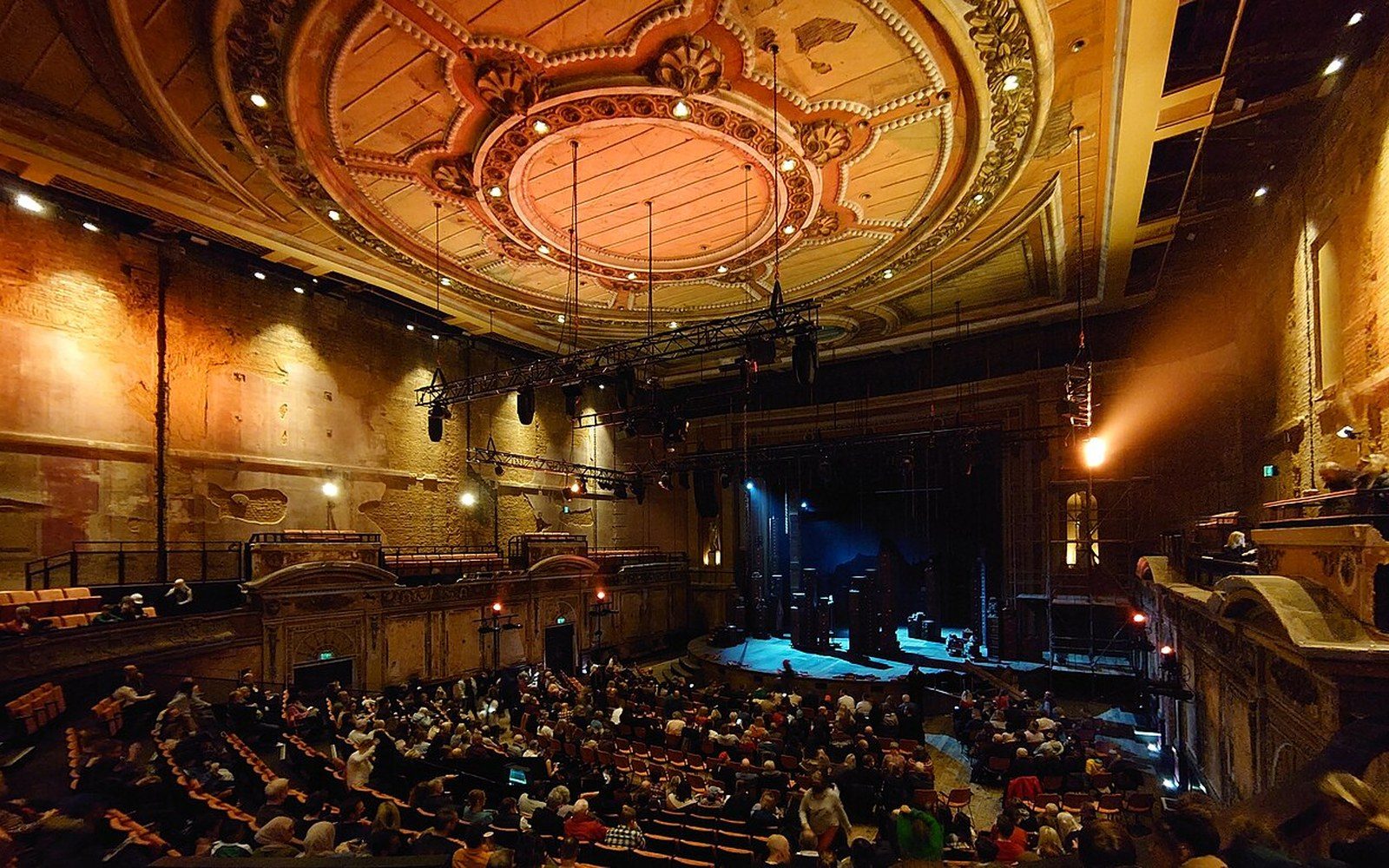
A run of thirty-plus years is something else. It is closer to what property lawyers would call a tenancy: the occupant’s needs gradually reshape the building itself. At Her Majesty’s, the chandelier that crashes into the auditorium at the end of the first act is not a prop that travels. Its rigging infrastructure — counterweights, a bespoke drop mechanism, the reinforced fly tower work required to make it safe — became part of the building’s technical inventory. Maria Björnson’s design demanded an onstage lake, a working gondola, smoke and dry-ice effects on a nightly basis, and the ventilation and drainage requirements for all of this were engineered into the house rather than bolted on for a season.
Cameron Mackintosh, who co-produced Phantom alongside Lloyd Webber’s Really Useful Group, has described the show in interviews as a production that effectively occupied rather than visited Her Majesty’s. The Society of London Theatre, which tracks West End grosses and attendance, counts the run among the longest in London theatrical history, and the capitalisation — the initial investment raised before opening — was recovered many times over across the decades, a reversal of the usual risk profile in which investors wait anxiously for a return.
How tenancy reshapes a house
There is a broader pattern here that goes beyond one show. When the Winter Garden Theatre in New York was adapted for Cats in 1982, the theatre’s roof was structurally altered to accommodate Andrew Lloyd Webber and Trevor Nunn’s production — a fact that outlasted the run itself. Her Majesty’s is the London equivalent: a building that was quietly re-engineered over years to service a single long tenant.
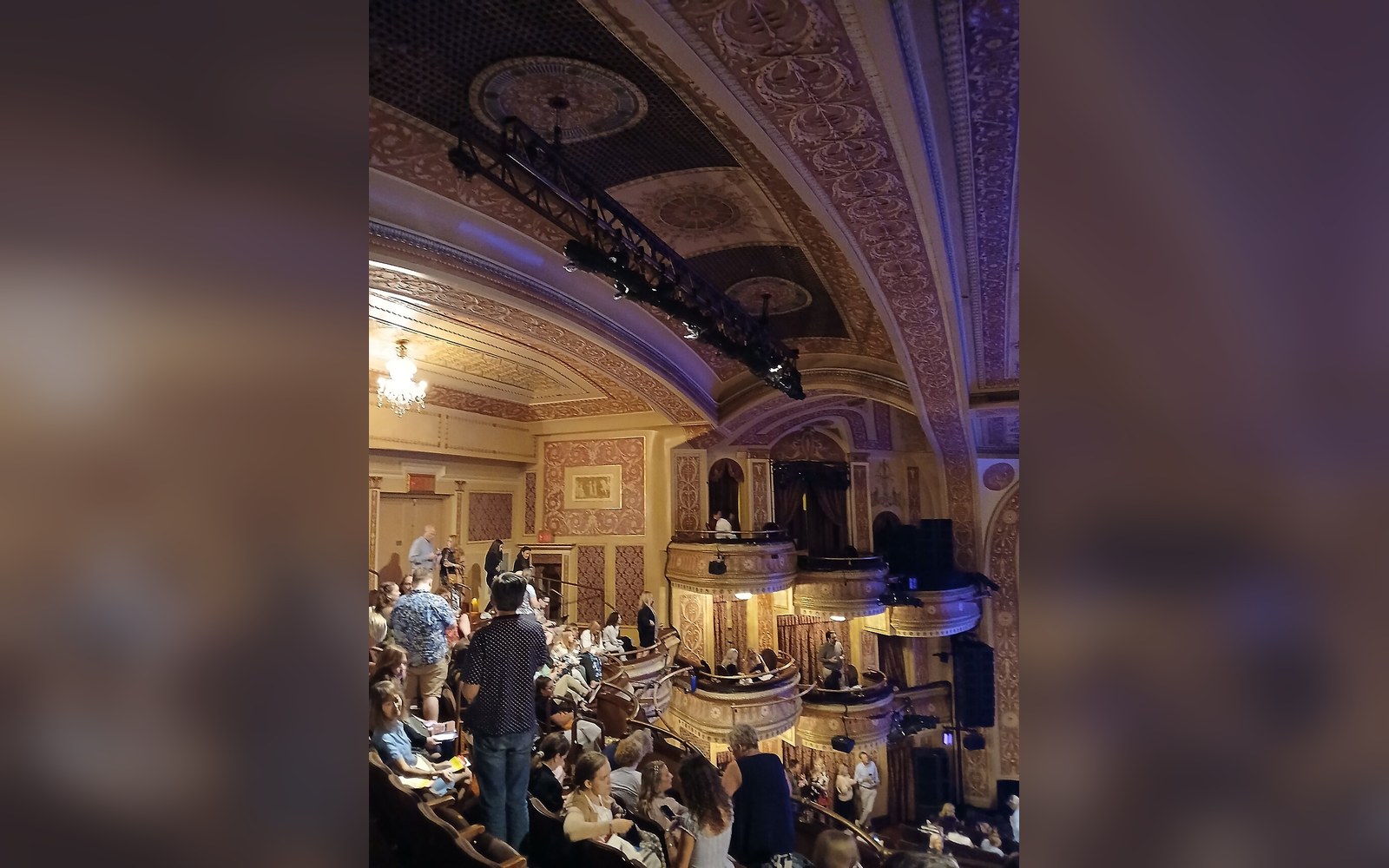
What this means for the building in practice includes changes to dressing-room allocation, storage, and the organisation of the fly tower. A long-run company is large — at any given point Phantom carried a principal cast, an ensemble, a swing roster covering absences, and a pit orchestra working under the terms of the collective agreements negotiated with the Musicians' Union. Swings — performers who cover multiple ensemble tracks and step in at short notice — become a permanent staffing feature rather than a contingency. The wardrobe department, managing costumes that were now years old and being repaired, altered, and occasionally remade, occupied space in the building that would otherwise rotate between shows.
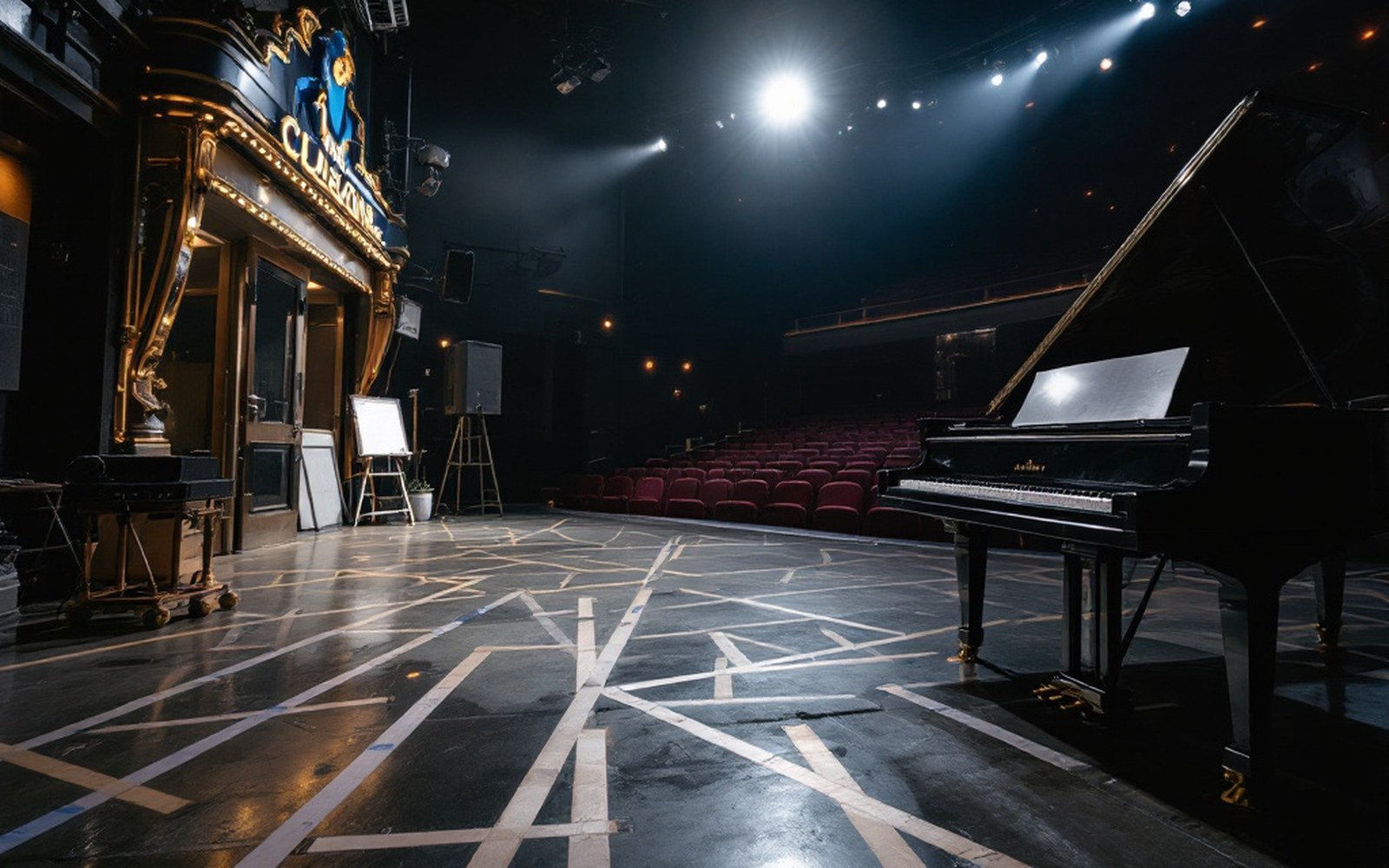
The stage management team, similarly, accumulated institutional memory that had nowhere else to go. A production running for more than thirty years in London developed its own internal hierarchy: a company that had employed multiple generations of performers across the same roles, with deputy stage managers who had been present longer than any of the current cast. The book — the master prompt script and production bible that governs every cue — for a run that long becomes a document of enormous complexity, annotated across decades.
What eventually ends
The West End run of The Phantom of the Opera at Her Majesty’s was suspended in 2020 by the pandemic before the show resumed at that theatre. The show’s history in London stretches across more than thirty years when counted in full, though its occupancy of Her Majesty's was essentially unbroken from the 1986 opening until the pandemic closure. By any measure, it is among the longest continuous runs of a musical in West End history.
What the end of a tenancy like this produces is a building that does not simply revert to its former condition. Her Majesty’s, post-Phantom, required technical assessment before any incoming production could plan around its stage. Bespoke rigging points exist where standard grid would otherwise be. Some of the infrastructure installed for Phantom is useful to a successor show; some is not and must be stripped or worked around. This is not a complaint — it is simply the physical consequence of a building being optimised over decades for a single production’s specific demands.
For the audience member who booked through most of those years, none of this was visible.
The evening felt consistent: the chandelier fell, the boat crossed the lake, the score — orchestrated by David Cullen and Andrew Lloyd Webber himself, building on earlier work — moved through its familiar architecture. That consistency was expensive to maintain and required an operations apparatus that a short-run production never develops. Cast replacements had to be coached into a production style established by the original staging. The Olivier Awards, which adjudicated the original production and the West End theatre industry more broadly, had no ongoing mechanism for certifying that the show running in year twenty-two was the same artistic object as the show that opened in 1986 — but the producing organisations treated continuity of staging as a commercial and artistic obligation, because the show’s reputation was the product being sold.
The weekly gross, published as part of broader West End reporting, was what kept the machine running: revenue covering the standing company, the building costs, and the ongoing capitalisation of a production that had long since paid back its investors and was now simply operating. A short run chases a break-even point. A run of this length becomes an institution that must be actively managed, staffed, and eventually wound down — more like a long-tenured business closing its doors than a show ending its engagement.