A London run is sold to people who do not live there
The West End fills its seats with tourists, and that single fact determines which shows survive and which don’t.
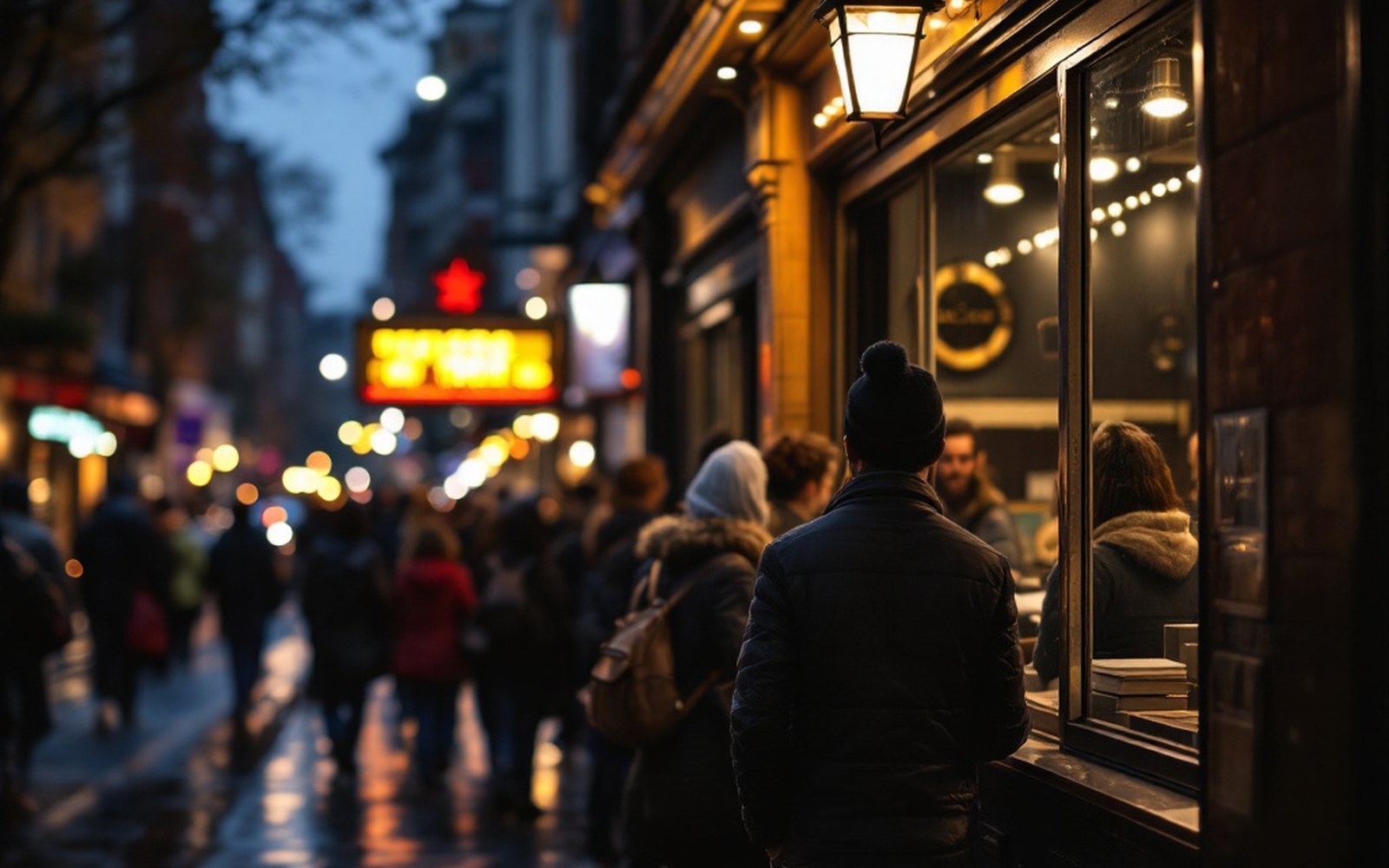
Who is actually sitting in those seats
Walk into almost any Shaftesbury Avenue house on a Tuesday in August and the audience around you is not primarily composed of Londoners. The Society of London Theatre’s annual audience surveys have consistently found that a substantial share of West End ticket buyers are domestic and overseas visitors rather than residents of Greater London — a proportion that climbs sharply in summer, when international tourism peaks and local office workers are elsewhere. For producers, this is not a footnote. It is the central commercial fact of the business.
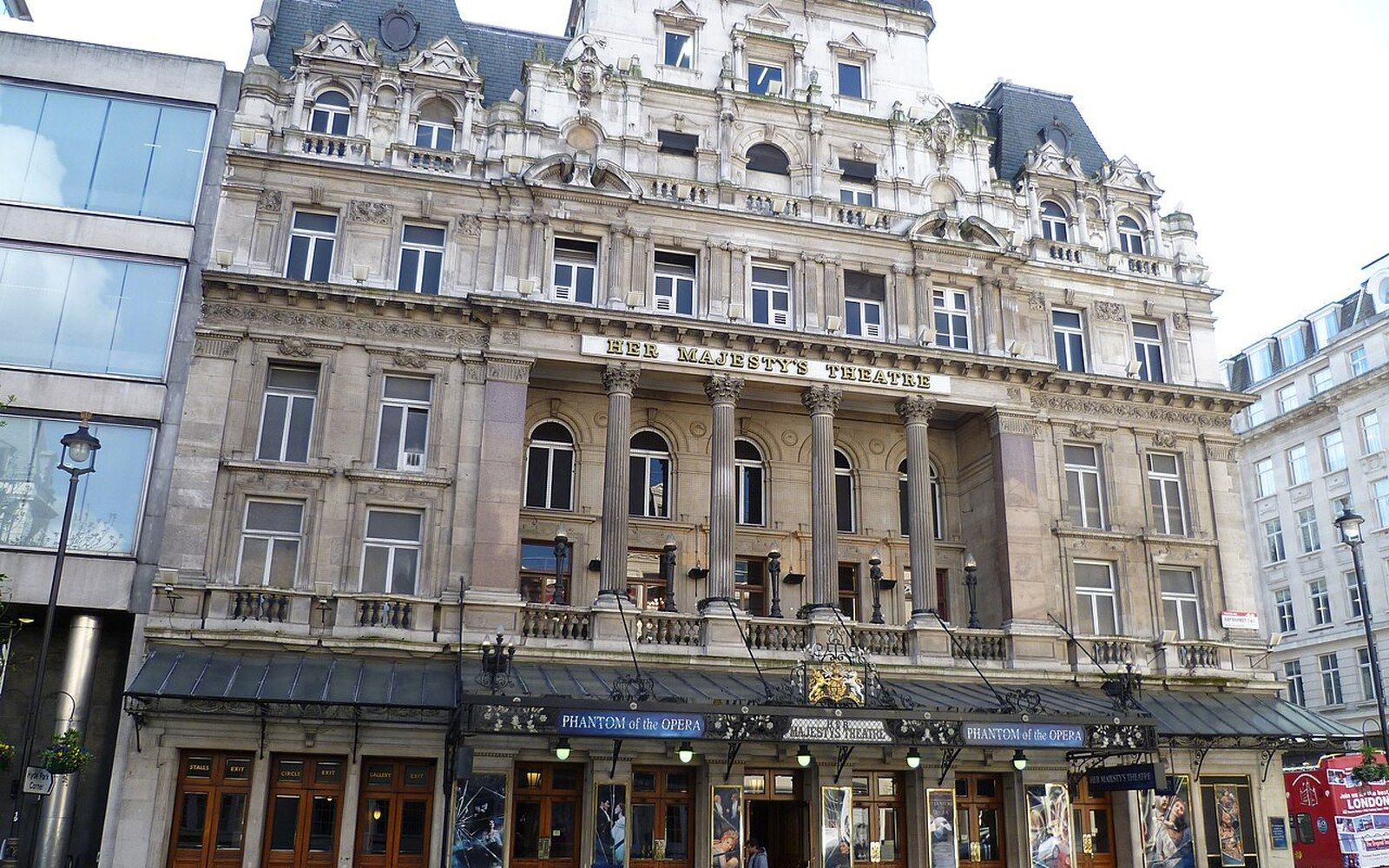
The consequences run in two directions. A show with strong tourist appeal can run for years — sometimes decades — on an audience that essentially renews itself city by city as people make the trip to London. Her Majesty’s Theatre held The Phantom of the Opera from 1986 until 2020, partly because visitors from every continent kept filling its stalls regardless of what London critics wrote after opening night. The Winter Garden in New York managed something comparable with Cats, which ran eighteen years and required structural alterations to the building to accommodate it. In both cases the audience was, in meaningful part, a global one that happened to collect in one city.
The other direction is harder. A show built for a knowing, culturally specific audience — one that plays on local reference, recent political event or a particular strand of British comedy — can struggle to sell beyond the M25. It may attract excellent notices, win an Olivier, and still close inside six months because the visitor buying tickets in a hotel lobby two days before the show does not know what it is about and will not take the risk.
What this means for programming and run length
Producers and venue managers read this dynamic when they book a house. The shows that occupy the largest, longest-running slots on Shaftesbury Avenue tend to share certain qualities: a strong pre-existing brand, whether from a film, a catalogue of songs, or decades of reputation; a story legible without cultural context; and a spectacle element that communicates itself on a poster. Cameron Mackintosh understood this when building the commercial logic of his large-scale productions. Andrew Lloyd Webber’s catalogue has remained commercially central to the West End for the same reason — the titles travel across languages and generations before a tourist even lands at Heathrow.
This does not mean adventurous or literary work cannot succeed in London. It means that it almost always does so in the subsidised sector — at the National Theatre, the Donmar Warehouse, the Almeida — where the capitalisation model is different and survival does not depend on filling 1,200 seats eight times a week. The commercial West End, the one running on weekly grosses reported to the Society of London Theatre, operates on a different logic: it needs volume, and volume comes from visitors.
The awards system reflects this tension. An Olivier Award is partly a signal to the tourist trade — a certification that a show is worth the trip — but it is equally a prize for work the West End’s own critical culture values, which does not always overlap with what a visitor from Ohio or Osaka will book. The most commercially durable shows often win warmly and then keep running on tourist revenue long after the industry has moved on to the next season’s conversation.